Paradise Valley Agadir: Complete Hiking, Nature & Swimming Guide
Discover the Natural Pools, Mountains, Plants and Amazigh Culture of Paradise Valley.
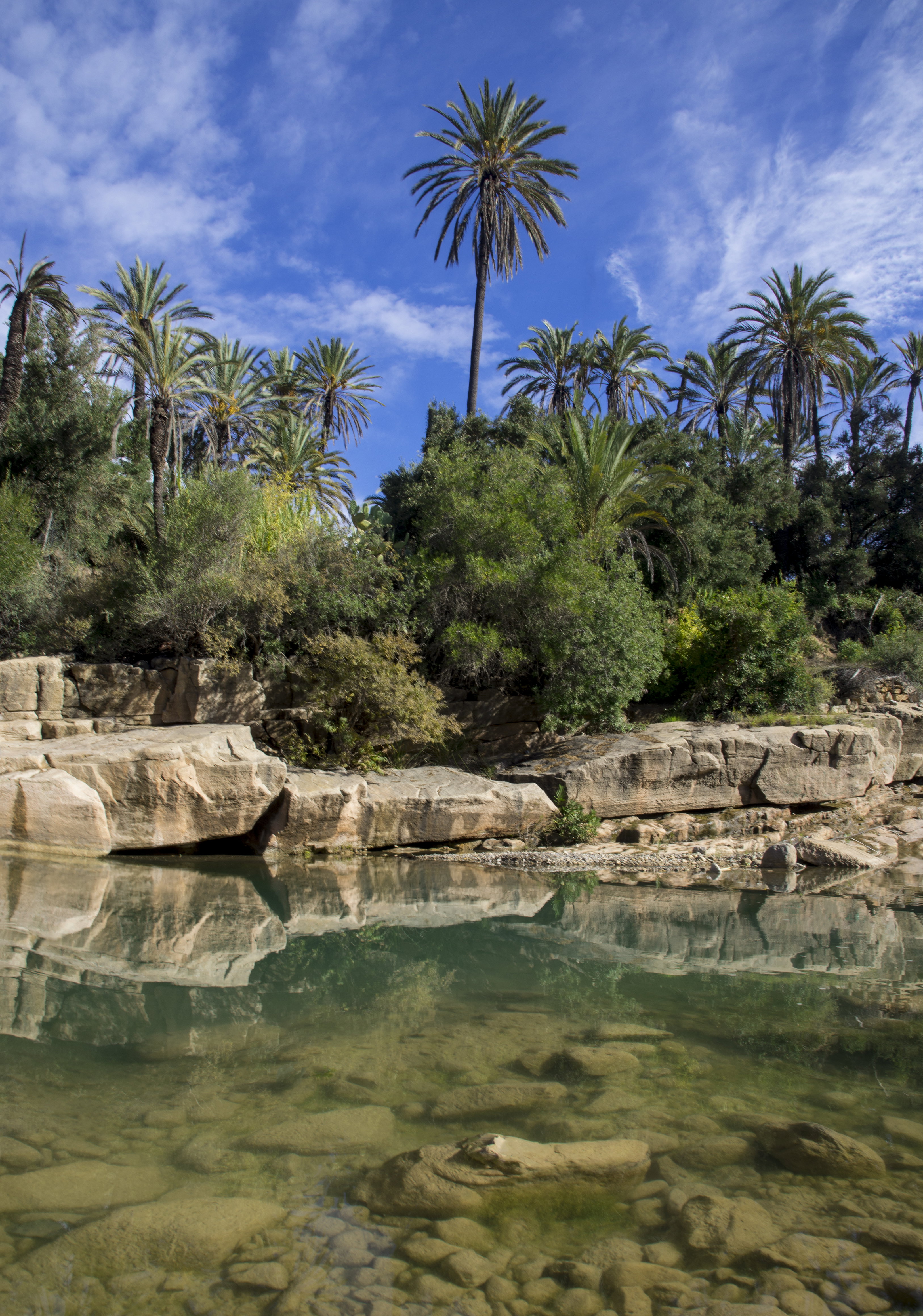
Paradise Valley is a green mountain valley in the Ida Ou Tanane region north of Agadir, surrounded by the Anti-Atlas/High Atlas foothill landscape.The journey from the coast takes you away from the beaches of Tamraght and Taghazout and into a completely different environment: rocky mountains, river valleys, argan trees, palms and small Amazigh villages.The valley is known for its natural rock pools, cliffs, hiking paths and palm-lined sections of the river.
With AdrarHike, the experience is not simply about reaching a swimming pool. It is an opportunity to walk through the landscape, discover local nature, learn about Amazigh culture and enjoy the peaceful atmosphere of the mountains with a local host.
What Is Paradise Valley?
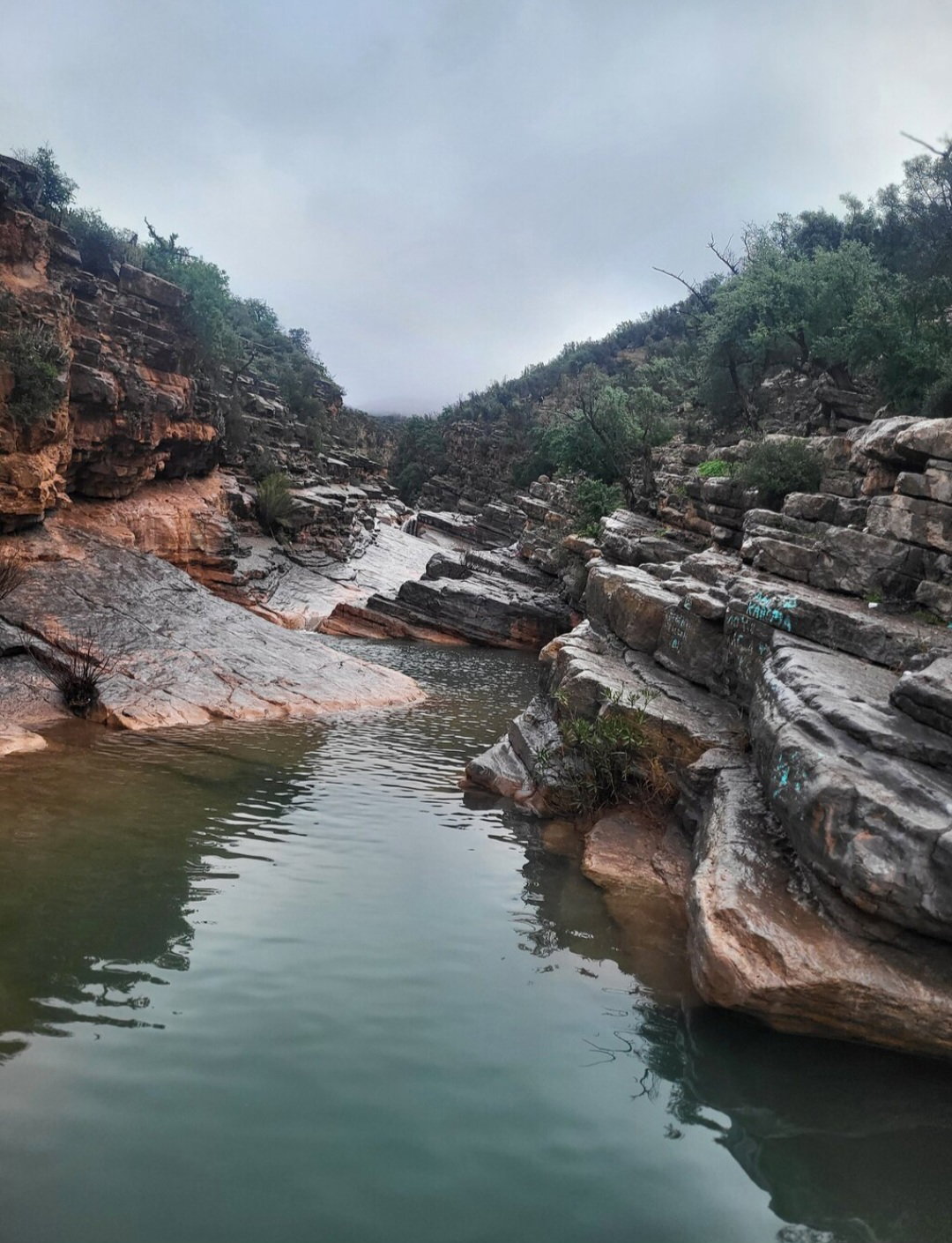
Paradise Valley is a natural valley in the mountains inland from Agadir, on the route towards the Imouzzer Ida Ou Tanane area.The valley is characterized by steep rocky landscapes, a riverbed, palm groves and natural rock pools. The official tourism information for Agadir describes the area as a canyon surrounded by limestone walls, with rocky pools and hiking routes passing through argan trees, junipers, oaks and acacias. Lavender and thyme are also part of the area's vegetation.The landscape changes dramatically as you travel inland.From the coast, you begin with:
Atlantic Ocean → beaches → villages → argan landscapes → mountains → river valley → natural pools
This change of scenery is one of the reasons Paradise Valley is such a popular nature escape from Agadir, Tamraght and Taghazout.
Where Is Paradise Valley?
Paradise Valley is located in the Ida Ou Tanane mountain region, inland from Agadir and towards Imouzzer.The route commonly passes through or near Aourir before continuing inland along the mountain road towards the valley.Different sources give different distances because they refer to different starting points and different access areas, so it is better to think of Paradise Valley as a mountain destination reached by a scenic drive rather than relying on one exact kilometre figure.
From:
Agadir: approximately 1–1.5 hours depending on the starting point, route and road conditions.
Tamraght: approximately 40 minutes. generally closer than from central Agadir.
Taghazout: approximately less than one hour.
The Landscape of Paradise Valley
One of the first things you notice is the contrast between the surrounding mountains and the valley floor.The surrounding landscape can look dry, rocky and almost desert-like, while the river corridor supports much greener vegetation.Walking through the valley, you can encounter:
- Rocky cliffs
- Large boulders
- River channels
- Palm trees
- Argan trees
- Mountain shrubs
- Aromatic plants
- Natural pools
- Seasonal waterfalls
- Small paths through the valley
- Traditional mountain villages
The valley is especially beautiful when sunlight enters between the cliffs and reflects on the water and vegetation.
The Natural Swimming Pools
For many visitors, the natural pools are the highlight of Paradise Valley.The river has carved natural basins into the rocks, creating places where visitors can relax beside the water and, when conditions are suitable, swim.The water can feel refreshingly cold, particularly when it comes from mountain-fed sections of the river.Swimming in a natural pool surrounded by rocks, palms and mountains is very different from swimming in a hotel pool or at the beach.You are surrounded by nature.There is no artificial swimming area.There is only the river, rocks, mountains and the sound of flowing water.
Is there always water in the pools?
No.This is important to know before visiting Paradise Valley.The pools depend on rainfall and seasonal river flow. Water levels can change significantly between seasons and from one year to another. Current travel information for 2026 also emphasizes that spring is generally more reliable for fuller pools, while dry periods can leave some pools shallow or empty.The official Visit Agadir information similarly notes that the basins can become very low during dry summer periods and that waterfalls are particularly impressive after the winter rains.
At AdrarHike, we prefer to be honest with our guests: swimming depends on the current water conditions.If swimming is one of your main reasons for visiting, we recommend checking the recent conditions before your trip.
Swimming in Paradise Valley
When the water level is suitable, swimming can be one of the most memorable parts of the experience.You can:
- Swim in the natural pools
- Relax beside the river
- Sit on the warm rocks
- Take photographs
- Explore different sections of the valley
- Enjoy the shade of the vegetation
- Listen to the water and birds
However, natural pools are not controlled swimming pools.The depth, rocks, current and water conditions can change.For this reason:
Never jump or dive into an unfamiliar pool without knowing its depth and underwater conditions.
If you are not a confident swimmer, stay in shallow areas and follow your local host's advice.
Trees of Paradise Valley
Paradise Valley is much more than rocks and water.The surrounding landscape contains a variety of trees and plants adapted to the mountain environment.
🌳 Argan Tree — Argania spinosa
The argan tree is one of the most characteristic trees of southwestern Morocco.It is particularly important to local communities because argan fruits are traditionally used to produce argan oil.The argan landscape is also an important part of the identity of the Souss-Massa and surrounding mountain regions.When you travel towards Paradise Valley, you can see argan trees covering parts of the hillsides and valleys.With AdrarHike, visitors can learn about the tree, its traditional uses and its importance to local communities.
🌴 Date Palm — Phoenix dactylifera
Palm trees give Paradise Valley part of its famous oasis character.They are especially noticeable around the wetter parts of the valley and beside the river.The contrast between the green palms and the dry mountain slopes creates one of the most recognizable landscapes of Paradise Valley.
🌳 Juniper
Junipers are adapted to mountainous and relatively dry environments.They can be found in the wider mountain landscape around Paradise Valley and contribute to the vegetation of the rocky slopes.
🌳 Oak
Oak trees are also among the species associated with the vegetation of the Paradise Valley area.They are particularly interesting because they show how varied the vegetation can be between the dry mountain slopes and more sheltered areas.
🌳 Acacia
Acacia trees are another important component of the dryland vegetation around the region.Their ability to survive in relatively dry environments makes them well adapted to the Moroccan landscape.
Flowers and Aromatic Plants
Paradise Valley is especially interesting for visitors who enjoy botany and wild plants.The exact flowers you see depend heavily on season, rainfall, altitude and location.
💜 Lavender
Lavender is one of the aromatic plants associated with Paradise Valley.When flowering, it adds colour and a distinctive fragrance to the mountain landscape.
🌿 Wild Thyme
Wild thyme is another aromatic plant found in the region.Its strong fragrance becomes particularly noticeable when walking through the mountain vegetation.Thyme has also traditionally been important in Moroccan herbal practices and local cuisine.
🌺 Seasonal Wildflowers
After rainfall, the landscape can change quickly.Small wildflowers can appear among the rocks and grasses, bringing colour to areas that may look dry during other parts of the year.This is one reason spring can be an especially beautiful period for nature lovers.
Important: wildflowers are seasonal. We do not promise visitors that a particular flower will be present on every visit.
🦋 Wildlife and Birds
Paradise Valley is also home to a variety of small wildlife.During a quiet walk, you may notice:
- Birds
- Butterflies
- Dragonflies
- Lizards
- Other small reptiles
- Insects
- Small mammals
Wildlife sightings are never guaranteed.The best way to observe nature is to walk quietly, avoid disturbing animals and leave the environment exactly as you found it.For nature lovers, even a small butterfly, bird or lizard can become part of the adventure.
🏘️ Amazigh Villages and Local Culture
Paradise Valley is not an isolated tourist attraction.It is part of a living mountain landscape where Amazigh communities have lived for generations.Along the journey and around the surrounding mountains, you can see traditional villages, agricultural areas, argan trees and landscapes shaped by local life.The region is also known for traditional products including:
- Argan oil
- Honey
- Amlou
- Traditional Moroccan food
- Mint tea
- Local agricultural products
A visit to Paradise Valley can therefore be both a nature experience and a cultural experience.
🍯 Argan Oil and Local Products
The argan tree is deeply connected to the culture and economy of southwestern Morocco.Traditional argan oil production is an important local activity, and visitors may encounter cooperatives and local producers around the wider Agadir and Ida Ou Tanane region.Learning about argan oil gives visitors a different perspective on the landscape.Instead of simply seeing a tree, you begin to understand why the tree is important to the people who live here.
🥾 Hiking in Paradise Valley
Paradise Valley offers more than swimming.Walking is one of the best ways to appreciate the landscape.The route can take you through:Mountain paths → rocky sections → palm areas → river → natural poolsSome parts are easy, while rocky and uneven sections require more attention.A local guide can help visitors understand which route is appropriate according to weather, water conditions and the group's fitness level.The official Agadir tourism guide recommends good hiking shoes, water and sun protection.
📸 Photography in Paradise Valley
Paradise Valley is a wonderful place for photography.Some of the best subjects include:
- Palm trees against the cliffs
- Natural pools
- Mountain landscapes
- Argan trees
- Traditional villages
- Wild plants and flowers
- Reflections in the water
- Hiking trails
- Local life
Early morning and late afternoon often provide beautiful natural light.But remember:The best photograph is not worth damaging the environment.Do not remove plants, disturb animals or leave rubbish behind.
🍲 Food and Moroccan Hospitality
Depending on your experience, visitors can enjoy traditional Moroccan food during their day in the mountains.Possible local dishes include:Tajine • Couscous • Moroccan mint teaFood is not only about eating.In Morocco, sharing food and tea is part of hospitality.After walking through the mountains, sitting down for a traditional meal can become one of the most memorable parts of the day.
🌦️ What Is the Best Time to Visit Paradise Valley?
There is no single perfect month for everyone.It depends on what you want.
🌸 Spring — Great for Nature
Spring can bring greener vegetation, wildflowers and better water levels after winter rainfall.It is particularly attractive for hikers and nature lovers.
☀️ Summer — Hot but Refreshing
Summer can be hot in the surrounding mountains.The shaded parts of the valley and natural pools can provide a welcome escape, but water levels may be lower during prolonged dry periods.
🍂 Autumn — Peaceful Mountain Atmosphere
Autumn can offer pleasant hiking conditions and a quieter atmosphere.
🌧️ Winter — Water and Green Landscapes
Rain can dramatically change the valley.After rainfall, the river and waterfalls can become more active, but wet rocks and changing water conditions require additional caution.The official tourism guide highlights January to March as a particularly impressive period for waterfalls.
🎒 What Should You Bring?
For a comfortable Paradise Valley experience, bring:
Essential
- Comfortable hiking shoes
- Water
- Swimwear
- Towel
- Sunscreen
- Hat
- Sunglasses
- Small backpack
- Phone/camera
- Some cash
If you plan to swim, bring something to keep your valuables dry.The official Visit Agadir recommendations also include hiking shoes, sunscreen, drinking water, swimwear and a towel.
🟢 Ready to Explore Paradise Valley?
Want to discover the mountains, natural pools, plants, flowers and Amazigh culture of Paradise Valley with a local host?👉 Book Paradise Valley on WhatsApp