11Nov
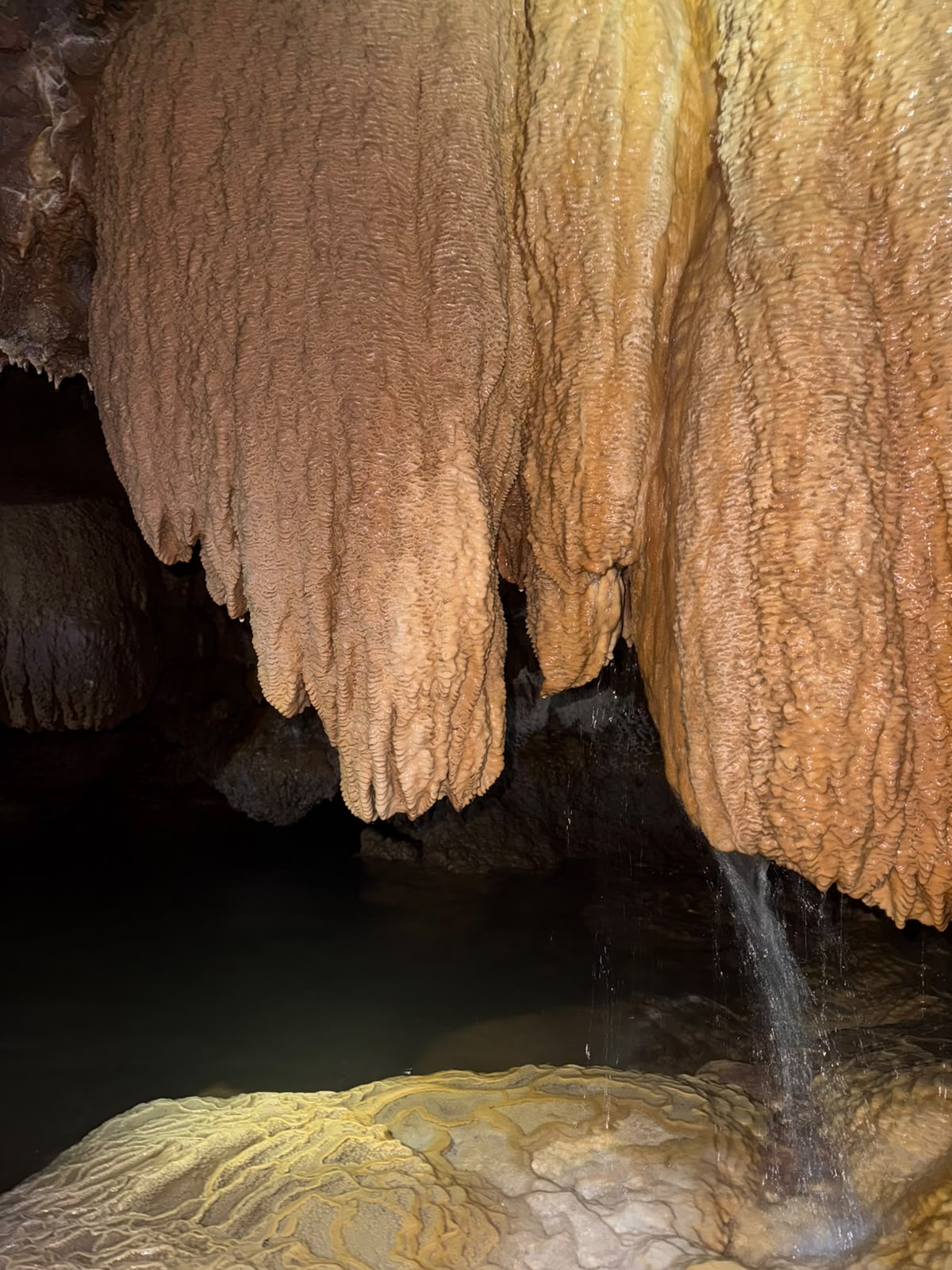
When people think about Agadir, they usually imagine golden beaches, surfing, sunny weather and beautiful coastal landscapes. But beyond the Atlantic coast, the mountains of the Ida Ou Tanane region hide another fascinating world: natural caves, underground rivers and mysterious rock formations.
Among these natural treasures, Wintimdouine Cave is one of the most remarkable. Located approximately 70 kilometres northeast of Agadir, this extraordinary underground network is considered one of the largest cave systems in Africa.
With its underground river, natural water reservoirs, limestone galleries and impressive mountain surroundings, Wintimdouine offers a completely different way to discover southern Morocco.
For visitors staying in Agadir, Tamraght, Aourir or Taghazout, discovering the caves of the region is an opportunity to go beyond the beaches and explore the geological, natural and cultural heritage of the Moroccan mountains.
At AdrarHike, we believe that exploring a destination means understanding its landscapes, its people and the natural treasures that make it unique.
🌍 Where Are the Caves Near Agadir?
The most important concentration of caves near Agadir is found in the Ida Ou Tanane region, in the foothills of the Western High Atlas.
This mountainous area is known for its spectacular valleys, limestone landscapes, traditional Amazigh villages, argan trees and natural water sources.
The region contains several underground geological formations created over thousands of years through natural processes.
Wintimdouine is the best-known cave system in this area.
📍 Location: Ida Ou Tanane, northeast of Agadir.
🚗 Distance: Approximately 70 km from Agadir.
🏔️ Mountain region: Western High Atlas.
🌿 Natural environment: Rocky mountains, valleys, argan forests and underground water systems.
The journey itself is part of the experience, taking visitors away from the busy coastline and into the peaceful landscapes of the Moroccan mountains.
🏞️ Wintimdouine Cave: The Underground Wonder of Morocco
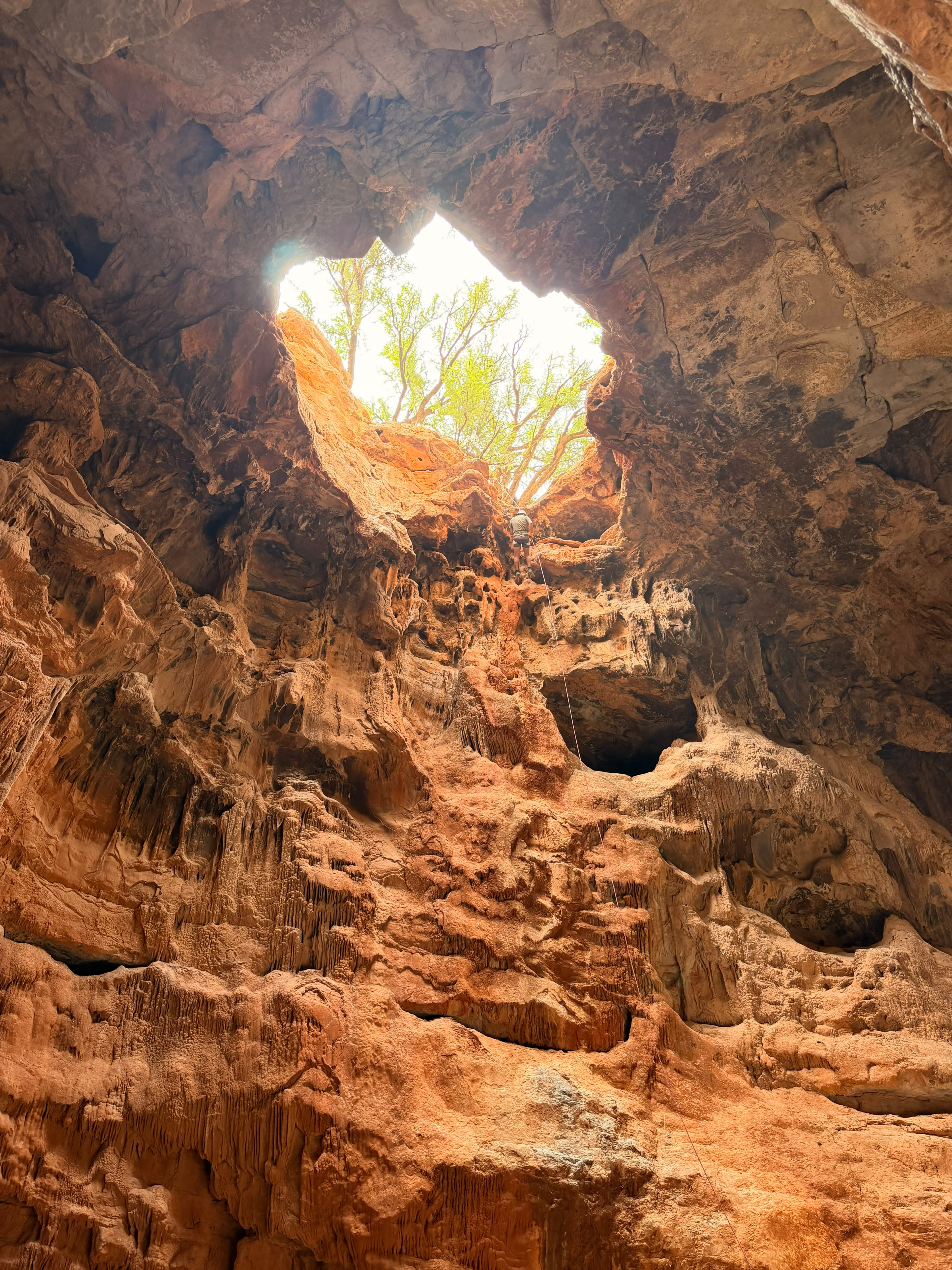
Wintimdouine, sometimes called the Cave of the Lakes, is one of the most impressive natural attractions in the Agadir region.
The name Wintimdouine is associated with the natural water formations found in this mountainous area.
What makes this cave particularly special is its enormous underground network.
The cave contains more than 19 kilometres of galleries, making it one of the most extensive known underground cave systems in North Africa.
Inside, water has shaped a complex natural environment containing underground passages, pools and a subterranean river.
This underground water system is also important for the surrounding mountain environment.
Unlike ordinary caves that visitors may discover during a short walk, Wintimdouine is a complex geological system that has attracted the attention of speleologists and scientific researchers.
It is a fascinating example of the hidden natural world beneath Morocco's mountains.
💧 Underground Lakes and Rivers
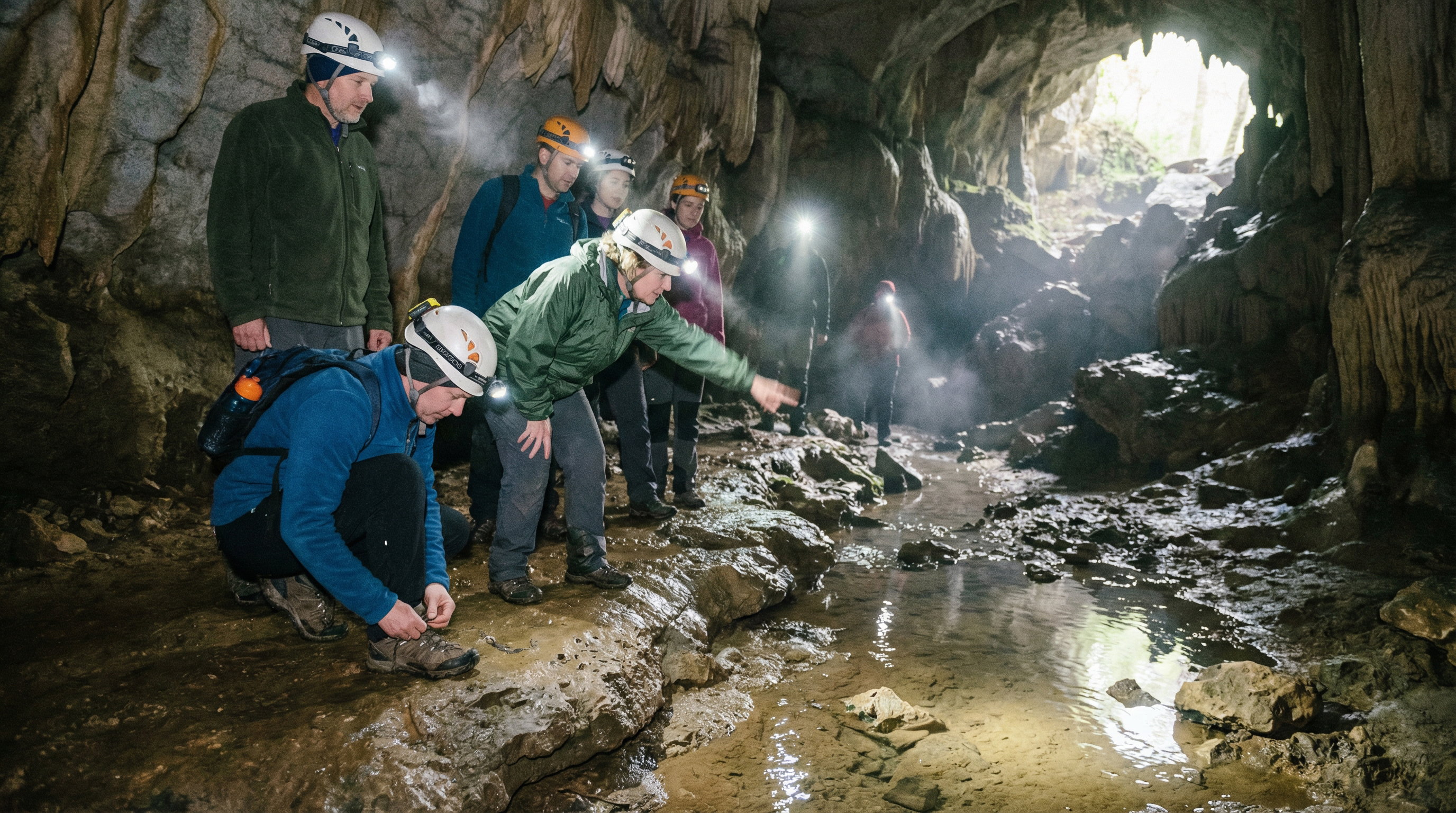
One of the most extraordinary characteristics of Wintimdouine is its underground water system.
Over time, water has moved through cracks and passages in the limestone rock, creating underground galleries and water reservoirs.Inside the cave system, there are:
- Underground water pools.
- Natural underground rivers.
- Limestone passages.
- Water-filled chambers.
- Different geological formations.
These underground water resources are an important part of the natural environment of Ida Ou Tanane.
The cave is not simply a collection of rocks. It is part of a wider underground system that connects geology, water and biodiversity.
🪨 How Were These Caves Formed?
Most caves in the Ida Ou Tanane area are associated with limestone formations.
Their development is linked to a natural geological process known as karstification.
This process happens when slightly acidic rainwater slowly dissolves limestone over long periods.
As water moves through small cracks in the rock, the openings gradually become larger, eventually forming underground passages, chambers and water-filled galleries. This natural process can take thousands or even millions of years.
The result is a fascinating underground landscape that remains hidden beneath the mountains.
🦇 Underground Wildlife and Biodiversity
Caves are not empty spaces. They can support unique ecosystems adapted to darkness, humidity and limited food resources.
Scientific explorations in Wintimdouine have identified different forms of underground wildlife, including:
- Small crustaceans.
- Isopods.
- Beetles.
- Snails.
- Specialised underground spiders.
Some of these organisms have adapted to life in complete darkness. Certain underground species have reduced pigmentation and lack functional eyes because they live in environments where sunlight never reaches.
The cave environment is delicate, which makes conservation especially important.
Visitors should avoid disturbing animals, touching unknown organisms or leaving rubbish inside caves.
🏔️ Other Interesting Caves Around Agadir
Wintimdouine is not the only cave worth knowing about in the wider Souss-Massa region.The Ida Ou Tanane mountains contain several other interesting underground sites.
1. Assif Al Had Cave – The Magic Cave
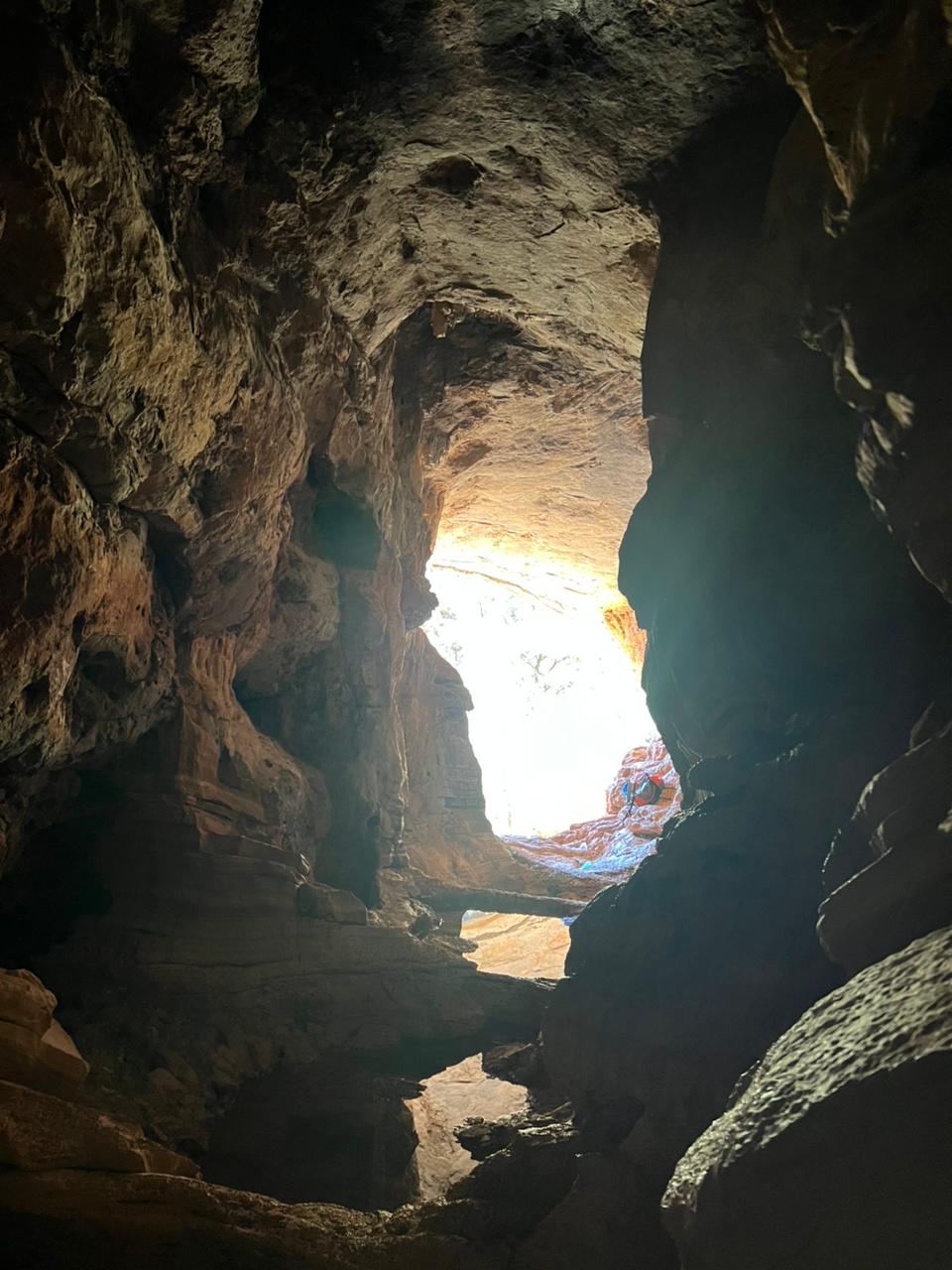
Assif Al Had Cave, sometimes called the Magic Cave, is another interesting geological site in the Ida Ou Tanane region.It is known for its impressive underground galleries and a natural opening that allows light to enter the cave.
This creates a fascinating contrast between darkness and natural sunlight.
Its geological structure makes it particularly interesting for people who enjoy discovering unusual mountain landscapes.
2. Tinftah Cave – A Natural Habitat for Bats
Tinftah Cave is another underground site in the Ida Ou Tanane area. It is known for its bat colonies and its ecological importance.
Bats play an important role in natural ecosystems, and their habitats should be protected.
Visitors should never disturb bat colonies, use strong lights directly on animals or enter restricted areas.
3. The Wider Caves of Souss-Massa
Beyond Ida Ou Tanane, the wider Souss-Massa region contains other geological and archaeological cave sites. For example, the Missalit caves are located near Tata, much farther south of Agadir.
These caves are associated with ancient human occupation and interesting rock formations.
They are not part of a normal Agadir day trip, but they demonstrate the remarkable underground heritage of southern Morocco.
🌿 Discover the Natural Landscapes Around Wintimdouine
The experience of visiting Wintimdouine is not limited to the cave itself.
The surrounding mountains offer beautiful landscapes and opportunities to discover the natural environment of Ida Ou Tanane.
During the journey, visitors may encounter:🌳 Argan trees and mountain vegetation.🏔️ Rocky mountain peaks.🌿 Traditional agricultural landscapes.🏘️ Small Amazigh villages.💧 Natural water basins.🐐 Local livestock and mountain wildlife.📸 Panoramic viewpoints across the valleys.
The region offers a peaceful atmosphere far from the busy beaches and urban areas.
It is an excellent destination for travellers interested in nature, photography, hiking and authentic local landscapes.
🏘️ Amazigh Culture and Local Mountain Life
The Ida Ou Tanane region is also home to Amazigh communities with a rich cultural heritage.
For generations, local families have lived in these mountains, adapting their daily lives to the landscape and natural resources.
Traditional agriculture, livestock, honey production and argan oil are important parts of local life.
During a visit to the region, travellers may discover:
- Traditional Amazigh villages.
- Local agricultural practices.
- Traditional houses and mountain architecture.
- Local honey and regional products.
- Moroccan hospitality and mint tea.
- Traditional homemade meals.
For us at AdrarHike, discovering nature also means respecting and appreciating the people who live in these landscapes.
🥾 Can You Explore Inside Wintimdouine Cave?
This is one of the most important questions for visitors.
Although Wintimdouine is a famous speleological destination, exploring its underground galleries is not the same as visiting an ordinary tourist attraction.
The cave contains flooded sections, underground water, uneven rock surfaces and complex passages.Full exploration requires:
- Specific authorisations.
- Experienced speleological supervision.
- Appropriate technical equipment.
- Knowledge of underground environments.
- Careful safety preparation.
Some tourism information describes limited access to the entrance and initial sections, but visitors should never assume that the entire cave is open to the public.
Always confirm current access conditions and permissions with the relevant local authorities and qualified specialists before planning an underground exploration.
A visit to the surrounding landscape and the cave entrance should be distinguished from a technical expedition inside the cave.
🚗 How to Get to Wintimdouine from Agadir
Wintimdouine is located approximately 70 kilometres northeast of Agadir, in the mountainous Ida Ou Tanane area.
The journey takes visitors away from the Atlantic coastline and towards the foothills of the High Atlas.
You can reach the region from:
- Agadir.
- Aourir.
- Tamraght.
- Taghazout.
The journey passes through beautiful mountain scenery and traditional villages. Because the destination is relatively remote, it is important to plan your transportation and check road conditions before travelling.
A suitable vehicle and local knowledge can make the journey more comfortable.
Once you arrive, follow the local directions and signs to the developed visitor area.
📅 Best Time to Visit the Caves Near Agadir
The Agadir region enjoys a generally mild climate, but mountain weather can be different from the weather along the coast. Spring and autumn are particularly pleasant seasons for discovering the surrounding landscapes.
Spring (March to May)
Spring offers comfortable temperatures and beautiful mountain scenery. Vegetation can become greener following winter rainfall, making it an excellent period for photography and nature discovery.
Summer (June to August)
Summer can be very hot in the region, especially during the middle of the day. Mountain temperatures may be more comfortable than those along the coast, but visitors should carry enough water and avoid unnecessary exposure to the sun.
Autumn (September to November)
Autumn is another pleasant period for exploring the mountains. The weather is often suitable for outdoor activities and discovering the local landscapes.
Winter (December to February)
Winter can bring colder temperatures and rainfall to the mountain region. Road conditions may change after heavy rain, so checking the weather and local access conditions is important. Remember that underground cave conditions can be different from the weather outside.
🎒 What Should You Bring for a Visit?
For a comfortable visit to Wintimdouine and its surrounding landscapes, we recommend bringing:
- Comfortable walking or hiking shoes.
- Drinking water.
- Comfortable outdoor clothing.
- A light jacket.
- Sun protection.
- A hat or cap.
- Your camera or smartphone.
- Snacks for the journey.
If an authorised underground exploration is organised, technical equipment and clothing must be selected according to the cave conditions and the instructions of qualified specialists.
Ordinary hiking equipment is not sufficient for technical caving.
⚠️ Safety Tips and Responsible Tourism
Natural caves are beautiful but can also be dangerous environments.
For your safety and the protection of the natural environment, remember:
- Never enter underground passages without the necessary authorisation and qualified supervision.
- Do not enter flooded sections without appropriate training and equipment.
- Avoid touching delicate geological formations.
- Never leave rubbish inside or around the cave.
- Do not disturb bats or other underground wildlife.
- Respect local communities and private property.
- Follow local instructions and safety signs.
- Check the weather and road conditions before travelling.
Protecting these natural places helps preserve them for future generations.
📸 Why Should You Discover the Caves Near Agadir?
If you are visiting Agadir and want to experience something different from the usual beach activities, the caves of Ida Ou Tanane offer a fascinating opportunity.
You can discover:
- One of North Africa's most remarkable underground cave networks.
- Natural underground lakes and rivers.
- Impressive limestone geology.
- Unique underground wildlife.
- Mountain landscapes and traditional Amazigh villages.
- A different side of Morocco beyond the coastline.
Whether you are passionate about geology, photography, nature or adventure, the region offers something special.
❓ Frequently Asked Questions About the Caves Near Agadir
Where is Wintimdouine Cave located?
Wintimdouine is located in the Ida Ou Tanane region, approximately 70 kilometres northeast of Agadir.
How long is Wintimdouine Cave?
The underground network extends for more than 19 kilometres of galleries.
Is Wintimdouine the biggest cave in Morocco?
It is considered one of the largest cave systems in Africa and one of the most extensive known underground networks in North Africa.
Can tourists enter Wintimdouine Cave?
Access to the underground galleries is subject to authorisations and special preparation. Visitors should check current conditions before planning an exploration.
Are there other caves near Agadir?
Yes. The Ida Ou Tanane region also contains Assif Al Had Cave and Tinftah Cave, among other speleological sites.
Is it possible to visit Wintimdouine with children?
The surrounding visitor area may be suitable for a family outing depending on access conditions. Technical underground exploration is not an ordinary family activity and requires specialist assessment.
Can I visit Wintimdouine from Taghazout or Tamraght?
Yes, the region can be reached by road from Taghazout and Tamraght. Plan a full day and confirm road and access conditions before departure.
What is the difference between visiting a cave and speleology?
Visiting a cave can involve discovering its entrance and accessible areas. Speleology is the technical exploration and scientific study of underground environments, often requiring specialist equipment, training and permissions.
🌿 Explore More with AdrarHike
The Agadir region has much more to offer than beaches and coastal activities.
If you enjoy discovering nature, explore some of our other local guides:
- Paradise Valley – Natural Pools, Hiking and Mountain Landscapes.
- Tizgui Valley – A Hidden Mountain Valley Near Agadir.
- El Gouz Summit – Hiking and Panoramic Mountain Views.
- Imouzzer Waterfalls – Discover the Mountains of Ida Ou Tanane.
- Timlaline – Coastal Dunes, Sandboarding and Atlantic Views.
At AdrarHike, we want to help travellers discover the natural beauty and cultural heritage of our region through local knowledge and authentic outdoor experiences.
AdrarHike – Explore Locally. Discover Naturally.
Comments