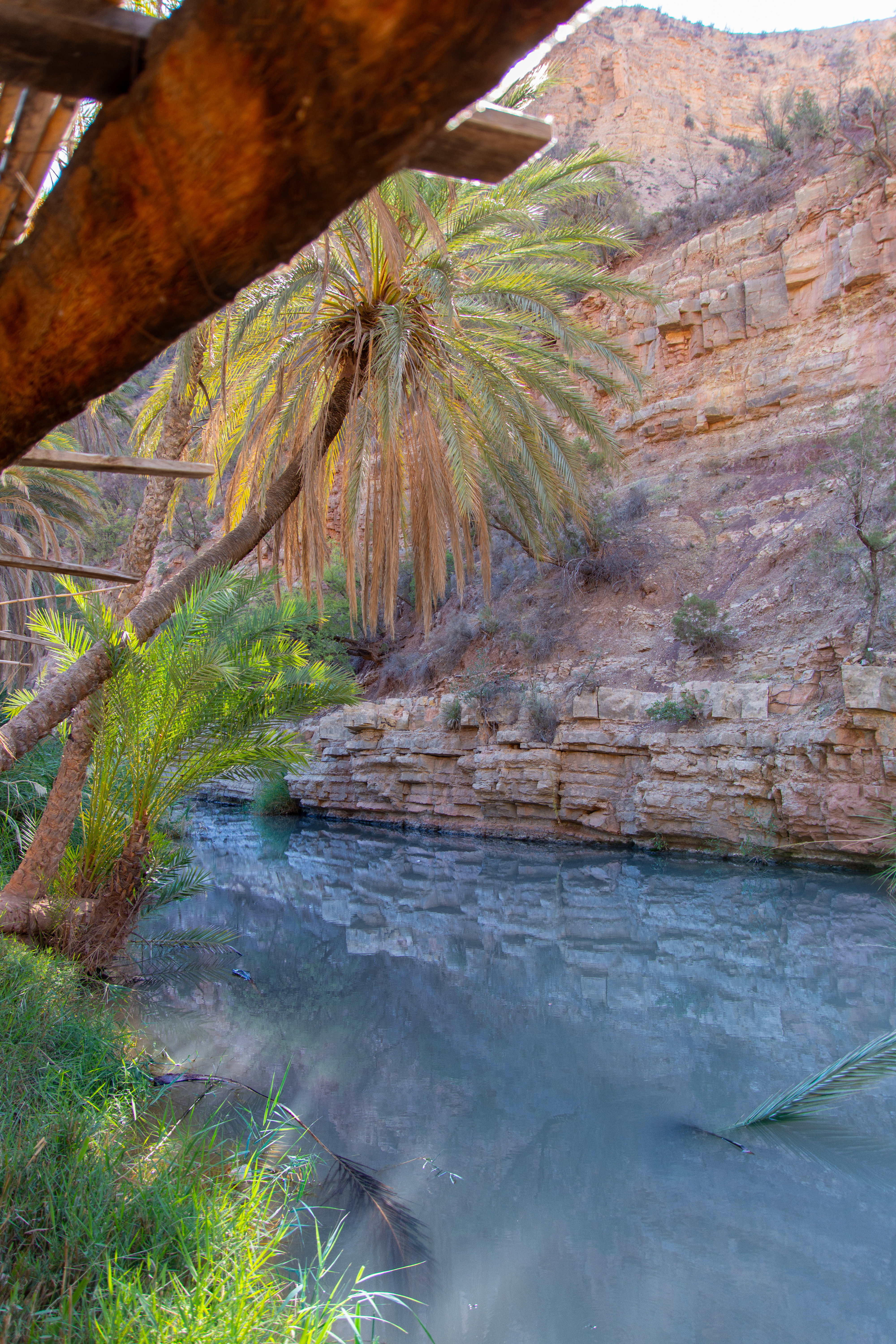
Tizgui Valley Near Agadir: Complete Hiking & Nature Guide
Discover a quieter mountain valley near Paradise Valley, with rocky landscapes, natural pools, Amazigh culture and authentic local experiences.
If you are staying in Agadir, Tamraght or Taghazout and looking for a day in nature away from the beaches and busy tourist areas, there is another side of the Agadir region waiting to be discovered.
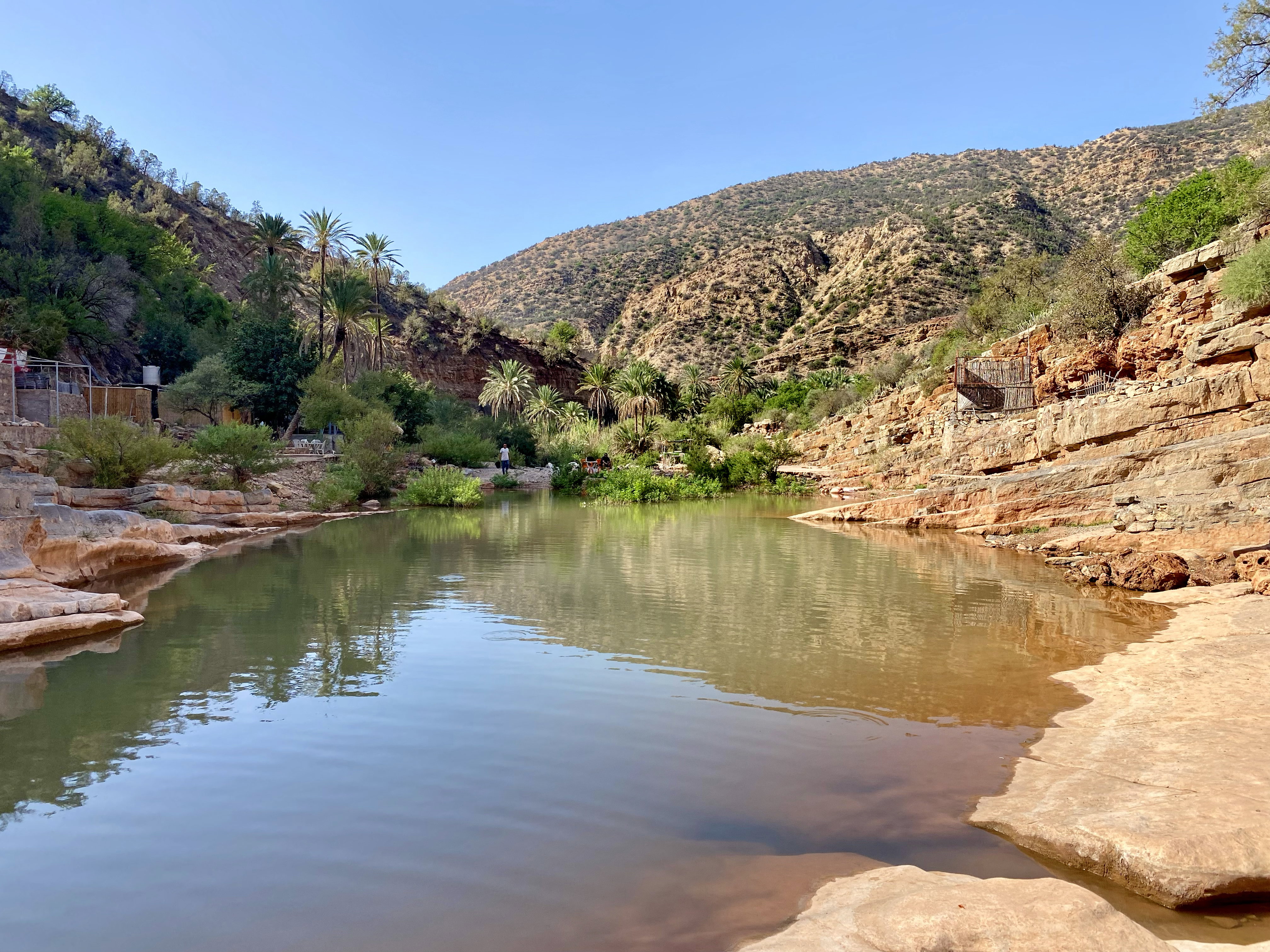
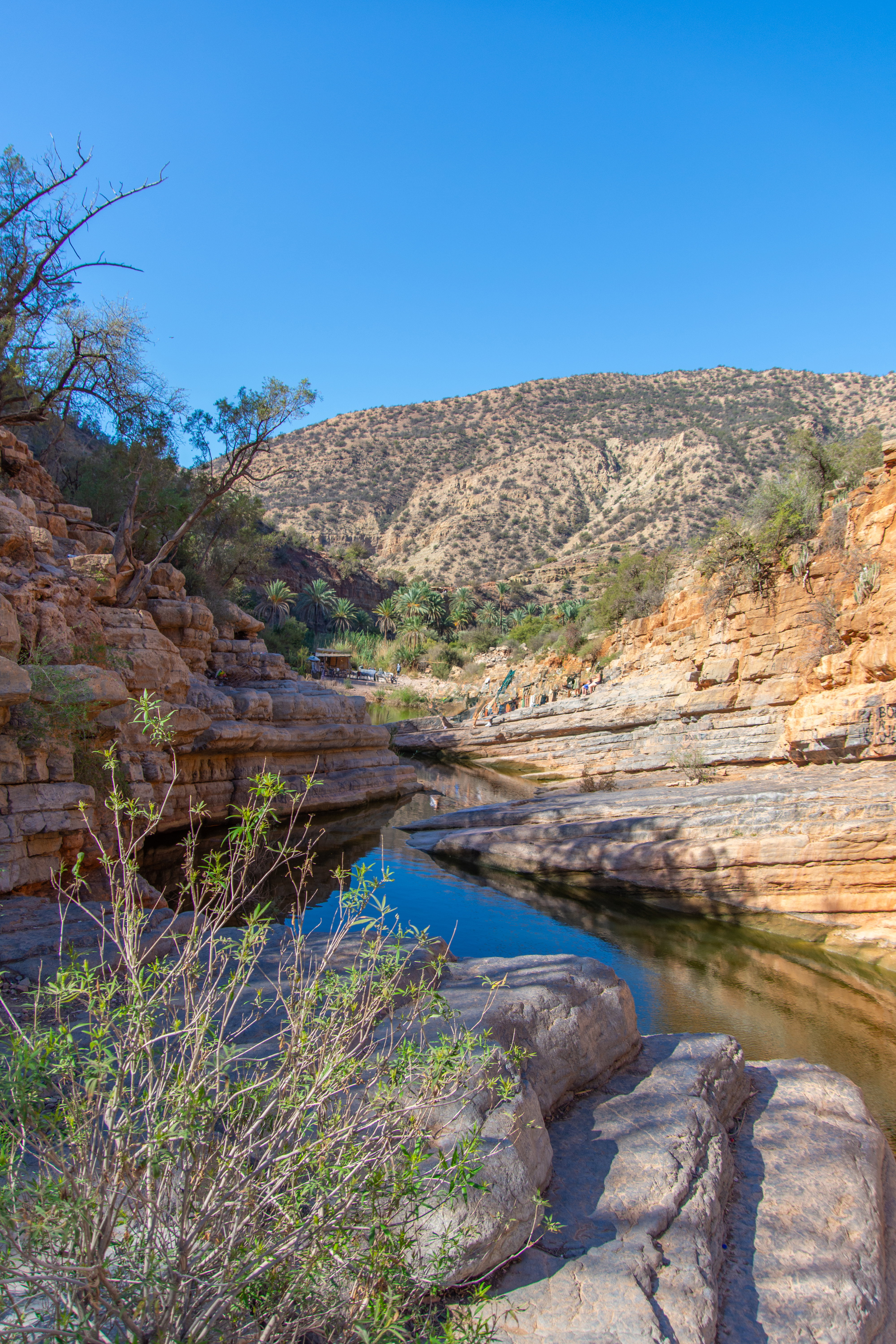
Tizgui Valley is a peaceful mountain landscape near the famous Paradise Valley, where rocky mountains, riverbeds, green vegetation and Amazigh villages come together to create a very different experience from the coast.
While Paradise Valley is one of the most popular nature attractions near Agadir, Tizgui offers something different: a quieter atmosphere, more time on the trail and a stronger feeling of being surrounded by the local mountain landscape.
With AdrarHike, the goal is not simply to take you somewhere beautiful.
We want you to understand the place.
You can walk through the valley, discover the landscape, learn about local trees and plants, observe the natural environment, experience Amazigh hospitality and enjoy traditional food in a peaceful mountain setting.
🏔️ What Is Tizgui Valley?
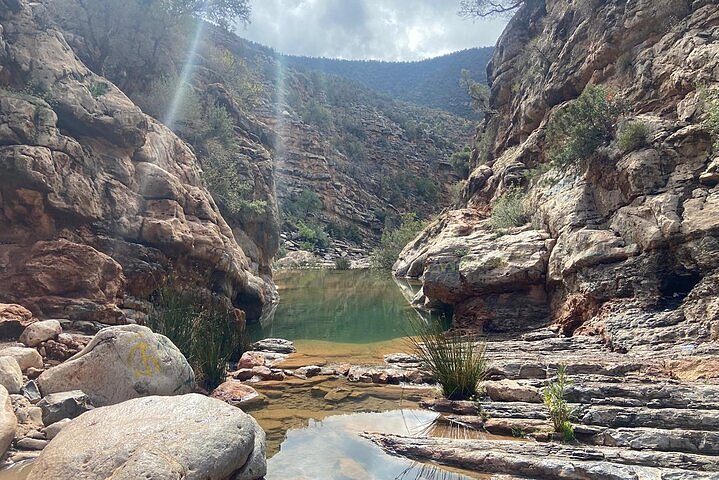
Tizgui Valley is a mountain valley in the Ida Ou Tanane area inland from Agadir, close to the wider mountain landscape of Paradise Valley.
The name Tizgui is associated with the Amazigh landscape of the region, where valleys, villages, rivers and mountains have been part of local life for generations.The valley is characterized by:
- Rocky mountain landscapes
- Riverbeds and seasonal water
- Natural rock formations
- Green areas around water
- Argan trees
- Mountain vegetation
- Traditional villages
- Hiking trails
- Amazigh agricultural landscapes
Unlike the highly photographed main areas of Paradise Valley, Tizgui can feel much more peaceful.
You may walk for long periods without the feeling that you are in a major tourist attraction.
That is one of its biggest attractions.
🌿 Why Visit Tizgui Valley?
There are many reasons to choose Tizgui instead of spending your entire day at the more famous tourist sites.
1. A quieter experience
Paradise Valley is beautiful, but its popularity means that some sections can become busy, especially during high season and weekends.Tizgui offers a different atmosphere.Instead of arriving at a famous viewpoint, taking a few photographs and leaving, the experience is about walking, exploring and slowing down.
2. Discover a less touristy side of Agadir
Most visitors know Agadir for:
Beach → Surf → Restaurants → Souk → Hotels
But the region behind Agadir is completely different.There are mountains, valleys, farms, argan forests, Amazigh villages and ancient landscapes.Tizgui gives you the opportunity to see this side of the region.
3. Hiking rather than simply sightseeing
Tizgui is particularly interesting for people who enjoy walking.The experience is about following the landscape rather than simply reaching one attraction.During the hike, you can stop to:
- Photograph the mountains
- Look at plants
- Discover rock formations
- Observe birds
- Rest beside the riverbed
- Learn about local agriculture
- Meet local people
- Enjoy traditional food
Every section of the walk offers something different.
📍 Where Is Tizgui Valley?
Tizgui Valley is located inland from the Atlantic coast in the Ida Ou Tanane mountain region, near the wider Paradise Valley area.
It can be reached from the coastal areas around:
Agadir → Aourir → Tamraght → mountain roads → Ida Ou Tanane
The exact route and access point depend on the part of Tizgui being visited.This is one reason why visiting with someone who knows the area can be useful.
Tizgui is not simply a single viewpoint with a sign saying "Tizgui Valley."It is a mountain landscape with trails, valleys and different access points.
🌴 Tizgui Valley and Paradise Valley: What Is the Difference?
This is one of the questions visitors often ask.
Paradise Valley
Paradise Valley is the more famous and more developed tourist destination.It is particularly known for:
- Natural rock pools
- Palm trees
- River landscapes
- Hiking
- Popular viewpoints
- Cafés and tourist facilities
The regional tourism authority describes Paradise Valley as a canyon with rocky pools and hiking routes surrounded by vegetation including argan trees, junipers, oaks and acacias.
Tizgui Valley
Tizgui is better suited to visitors looking for:
- A quieter atmosphere
- Hiking
- Local landscapes
- Mountain scenery
- Fewer tourist crowds
- Amazigh culture
- Nature observation
- A more personal experience
In simple words:
Paradise Valley is the famous attraction.Tizgui is the quieter mountain experience.
And you do not necessarily have to choose only one.
Depending on the time available and the group's interests, they can be experienced as different parts of the same wider mountain region.
🥾 Hiking Through Tizgui Valley
The best way to experience Tizgui is on foot.Walking allows you to notice details that you would completely miss from a vehicle.The landscape changes as you move through the valley.You may pass:
Rocky slopes → riverbeds → vegetation → villages → farms → mountain paths → viewpoints
Some sections can be uneven and rocky, so this is a genuine nature walk rather than a paved tourist promenade.Your pace can be adapted to the group.
If you are an experienced hiker, you can spend more time exploring.I
f you are new to hiking, the experience can focus on easier sections, nature and the landscape.
Never jump or dive into an unfamiliar pool without knowing its depth and underwater conditions.
If you are not a confident swimmer, stay in shallow areas and follow your local host's advice.
🏞️ The Mountains and Geology
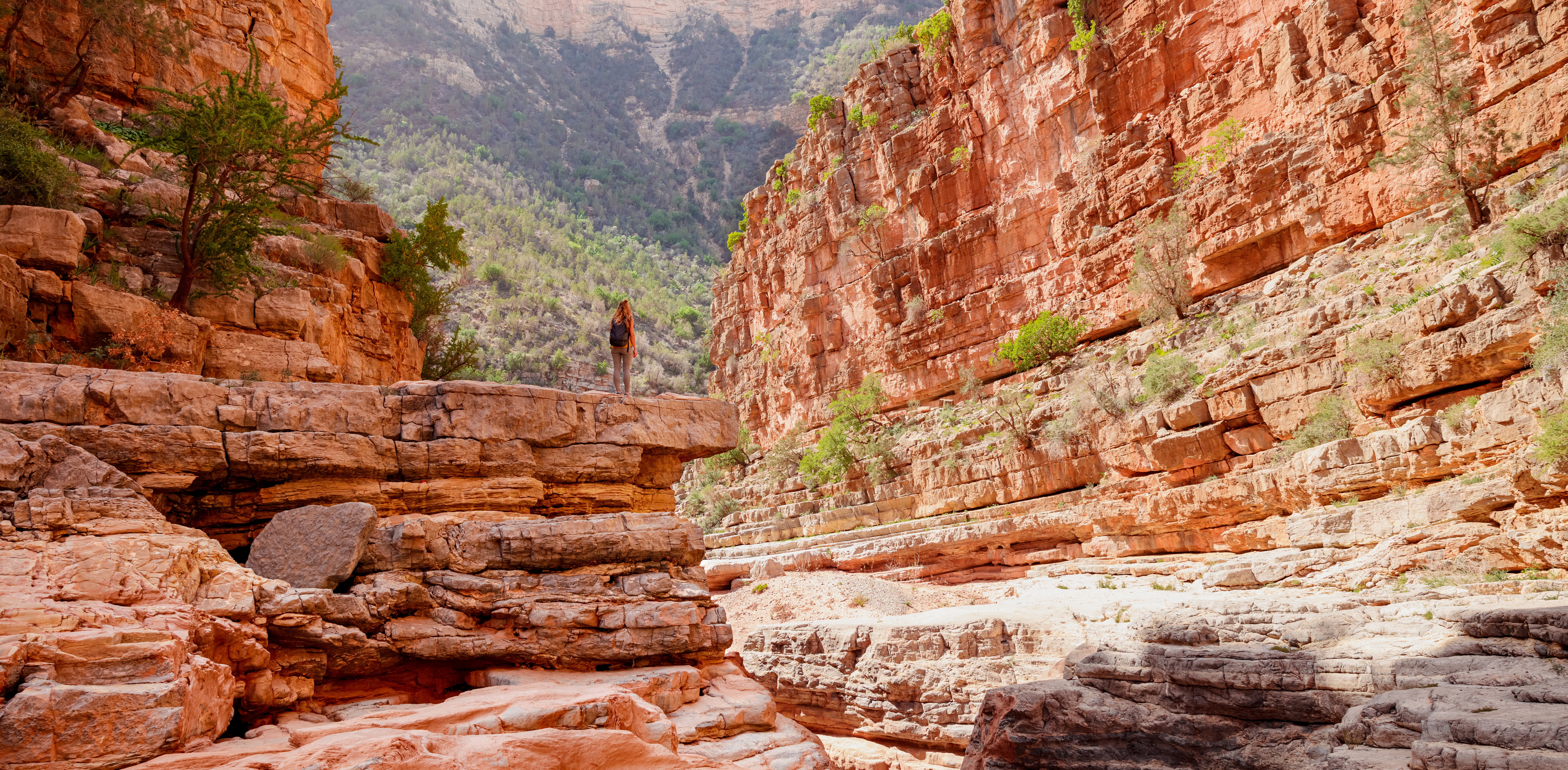
One of the most interesting things about Tizgui is the relationship between the mountains and water.Over a very long period of time, water has shaped valleys, channels and rock formations.The surrounding landscape can look dry from a distance.But when you reach the river valleys, the vegetation changes.This contrast is characteristic of the mountain landscapes around Agadir.You can see:
- Exposed rock
- Cliffs
- Boulders
- Dry riverbeds
- Eroded slopes
- Green vegetation around water
- Agricultural terraces and fields
For visitors from northern Europe or other wetter parts of the world, this contrast can be particularly surprising.
💧 Water in Tizgui Valley
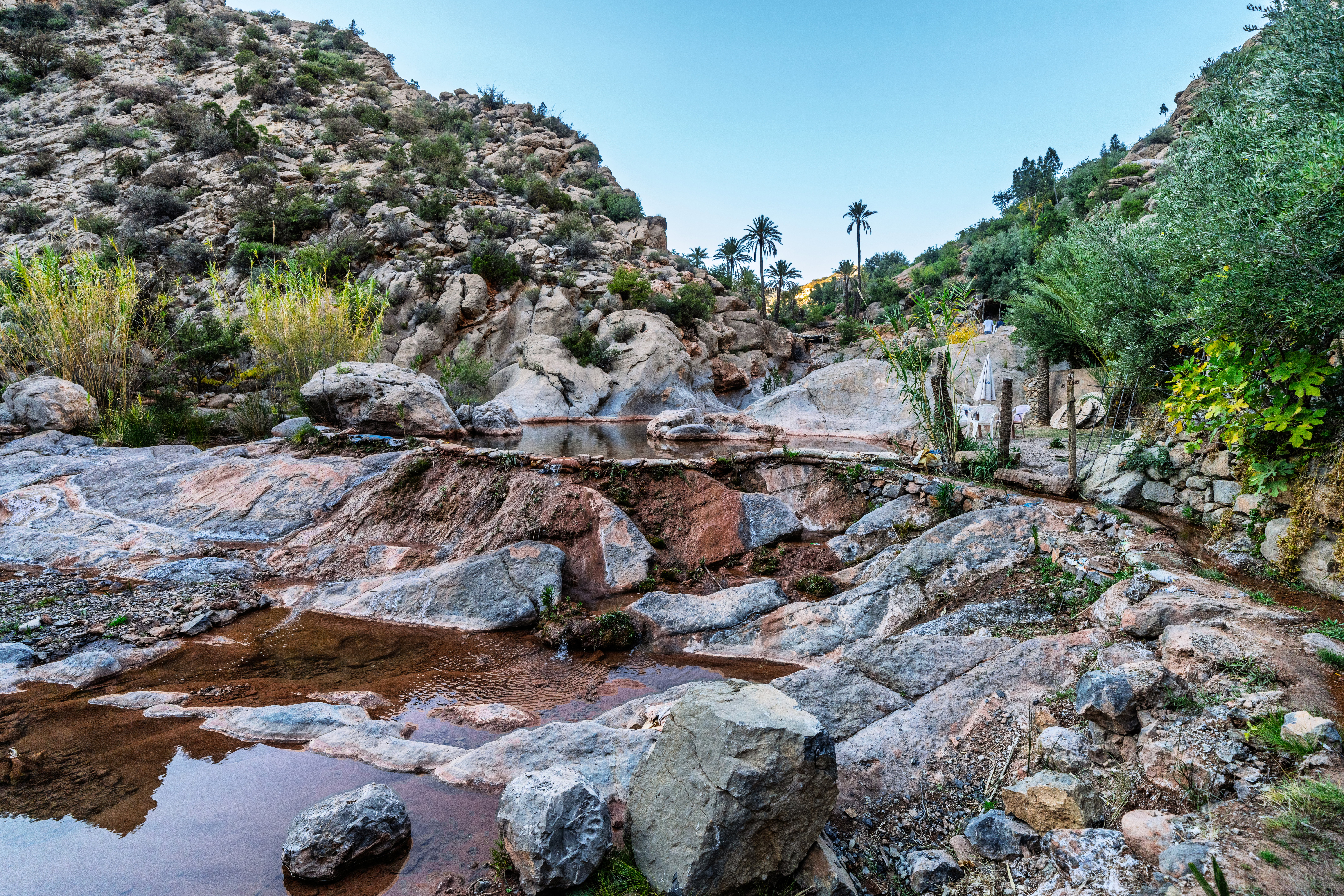
Water is one of the most important elements of mountain valleys in southern Morocco.The amount of water in Tizgui changes depending on:
- Rainfall
- Season
- Recent weather
- Upstream conditions
- Local water use
After rainfall, the valley can become greener and streams can become more active.During dry periods, some sections may have very little or no visible flowing water.For this reason, we do not promise visitors waterfalls or swimming pools at every time of year.Instead, AdrarHike checks local conditions and adapts the experience to what the valley offers at the time of your visit.
🏊 Can You Swim in Tizgui Valley?
Depending on the season and current water conditions, some parts of the valley may contain natural water areas.
However, unlike a swimming pool, natural water is constantly changing.Depth, current, rocks and water quality can vary.
If swimming is possible during your visit, your local host can help identify appropriate areas and explain the conditions.
Important:
Never jump or dive into an unfamiliar natural pool.
Even a pool that looks calm from the surface may contain rocks or unexpected changes in depth.
For visitors who specifically want swimming, we recommend asking about the current water conditions before booking.
🌳 Trees of Tizgui Valley
The wider Ida Ou Tanane landscape contains a mixture of trees adapted to Mediterranean, mountain and semi-arid conditions.One of the most important is the argan tree.
🌳 Argan Tree — Argania spinosa
The argan tree is one of the symbols of southwestern Morocco.
It grows naturally in the region around Agadir and the surrounding mountains.
The tree is particularly important to Amazigh communities because its fruit is traditionally used to produce argan oil.
Argan trees are adapted to difficult conditions and can survive periods of drought.
When you see an argan forest during the journey to Tizgui, you are not simply looking at trees.
You are looking at part of the cultural and environmental identity of southern Morocco.
🌿 Other Mountain Vegetation
Depending on the exact area and season, the wider landscape can include different Mediterranean and mountain species.The broader Paradise Valley/Ida Ou Tanane area is documented as having:
- Juniper
- Oak
- Acacia
- Argan
- Palm vegetation
- Lavender
- Thyme
The regional tourism authority specifically identifies argan trees, junipers, oaks and acacias around the Paradise Valley landscape, along with lavender and thyme.
For the Tizgui experience, AdrarHike can introduce visitors to the plants actually encountered along the day's route rather than presenting a fixed list of species that may not be visible during every season.
🌸 Flowers of Tizgui Valley
The mountains around Agadir can look very different after rainfall.During wetter periods, small wildflowers and green plants appear between rocks and along the valley.
This makes spring and the months following rainfall particularly interesting for people who enjoy:
Wildflowers • Aromatic plants • Photography • Nature walks
The exact species and flowering periods depend on rainfall, altitude and location.
This is why we recommend looking at the plants in their natural environment rather than picking them.
🌿 Lavender
Lavender is documented in the broader Paradise Valley mountain landscape and contributes a distinctive fragrance during its flowering period.
🌿 Wild Thyme
Thyme is another aromatic plant associated with the area.Its fragrance can be noticeable when walking through dry mountain vegetation.
🐦 Birds and Wildlife
Tizgui is a natural environment, not a wildlife park.That means animals are not guaranteed.
But if you walk quietly, you may notice:
- Small birds
- Birds of prey in the mountain sky
- Butterflies
- Dragonflies near water
- Lizards
- Other reptiles
- Insects
- Small mammals
The best wildlife encounters are often the ones you were not expecting.
A bird flying between the cliffs.
A lizard warming itself on a rock.
A butterfly moving between wildflowers.
These small moments are part of hiking in the Moroccan mountains.
🏘️ Amazigh Villages Around Tizgui
Tizgui is part of a living cultural landscape.The mountains around Agadir are home to Amazigh communities whose relationship with the land goes back generations.
As you travel through the region, you may see:
- Traditional houses
- Small farms
- Argan trees
- Olive trees
- Fig trees
- Agricultural land
- Mountain paths
- Local livestock
- Village life
For many visitors, this is one of the most valuable parts of the experience.You are not simply visiting a natural attraction.
You are entering a landscape where people still live, work and maintain their connection with the mountains.
🍯 Argan Oil, Honey and Local Products
The wider Ida Ou Tanane region is known for traditional products connected to its natural environment.
Argan Oil
Produced from the fruit of the argan tree.
Honey
Beekeeping is an important activity in parts of the mountain region around Imouzzer and Ida Ou Tanane. The regional tourism information specifically highlights beekeeping as an important local activity.
Amlou
A traditional Moroccan spread commonly made with:
Argan oil + almonds + honey
For visitors, tasting local products can turn a simple hike into a cultural experience.
🍲 Traditional Amazigh Food
One of the best ways to finish a mountain hike is with traditional food.Depending on the experience you book, AdrarHike can offer or arrange traditional Moroccan/Amazigh food.Possible dishes include:
🍲 Amazigh Tajine
A slow-cooked traditional dish prepared with local ingredients.
🍵 Moroccan Mint Tea
Tea is much more than a drink in Morocco.It is part of hospitality and social life.After walking through the mountains, sitting down for Moroccan tea can be one of the simplest and most enjoyable moments of the day.
📸 Photography in Tizgui
Tizgui is an excellent destination for people who enjoy photography.Instead of only photographing one famous attraction, you can capture the entire journey.
Mountain photography
Photograph the changing shapes and colours of the mountains.
Nature photography
Look closely at plants, flowers, insects and trees.
Cultural photography
Villages, agricultural landscapes and traditional architecture can tell another part of the story.
Human moments
A cup of Moroccan tea.
A traditional meal.
A local farmer working in the valley.
A hiker walking between the mountains.
These are often more memorable than a standard tourist photograph.
🌅 The Atmosphere of Tizgui
One of the biggest differences between Tizgui and more developed tourist destinations is the atmosphere.
There is space to slow down.
You can hear the wind.You can hear birds.
You can hear water when the river is flowing.
You can sit beneath a tree.
You can walk without constantly seeing tourist groups.
For travelers who spend several days surfing, visiting beaches and exploring Agadir, Tizgui can be a welcome change of pace.
🌦️ When Is the Best Time to Visit Tizgui?
There is no single perfect season.It depends on what you want to see.
🌸 Spring
One of the best periods for nature.After winter rainfall, vegetation can become greener and seasonal flowers may appear.
☀️ Summer
The weather can be hot.Early starts are recommended for hiking.
The valley can provide shade in certain areas, but you should always carry enough drinking water.
🍂 Autumn
A pleasant time for hiking and discovering the mountains.
The temperatures are generally more comfortable than during the hottest summer periods.
🌧️ Winter
Rain can transform the landscape.
River flow can increase and the mountains can become greener.However, wet rocks and changing water conditions require extra caution.
🎒 What Should You Bring?
For your Tizgui Valley adventure, we recommend:
- Comfortable hiking shoes
- Drinking water
- Hat
- Sunglasses
- Small backpack
- Light jacket
- Swimwear if swimming conditions are expected
- Towel
- Camera or phone
- Some cash
- Reusable water bottle
- Sunscreen
Wear clothing suitable for walking and changing mountain temperatures.
⚠️ Tizgui Valley Safety
Tizgui is a natural mountain environment.There are no safety barriers around every rock or river section.For a safe experience:
Check the weather
Rain can change mountain water conditions.
Wear good shoes
Rocky paths can be uneven or slippery.
Be careful around water
Do not enter unknown pools or strong currents.
Stay with the group
Especially in unfamiliar sections of the valley.
Carry enough water
Do not rely on finding drinking water in the mountains.
Respect the environment
Take your rubbish with you.
Listen to your local host
Local conditions can change from one day to another.
🌍 Responsible Tourism
Tizgui's greatest attraction is its natural and local character.
We want to help preserve it.When visiting:
Take your rubbish with you.
Do not pick wildflowers.
Do not damage trees.
Do not disturb wildlife.
Respect private agricultural land.
Ask before photographing local people.
Respect villages and local traditions.
Avoid unnecessary plastic.
The goal is simple:
Leave the valley as beautiful as you found it.
🥾 What Is the AdrarHike Tizgui Valley Experience?
With AdrarHike, Tizgui is not just a destination on a map.It is a local outdoor experience.Depending on the season, weather and your group's interests, your experience can include:
🥾 Hiking through the valley
🏔️ Mountain landscapes
🌿 Nature discovery
🌳 Learning about local trees
🌸 Discovering seasonal plants and flowers
🐦 Looking for birds and wildlife
💧 Exploring the river landscape
🏊 Swimming when conditions are suitable
🏘️ Discovering Amazigh villages and culture
🍲 Traditional Amazigh/ Moroccan food
🍵 Moroccan mint tea
📸 Photography
🌿 A quieter alternative to the busiest tourist areas
🗺️ A Typical Day With AdrarHike
1. Meet your local host
Meet at the agreed meeting point and start your adventure.
2. Head towards the mountains
Leave the coast and enter the Ida Ou Tanane landscape.
3. Discover the local environment
Along the way, learn about argan trees, villages, agriculture and the mountain landscape.
4. Start the hike
Follow the valley and explore its natural surroundings.
5. Take time to discover
Stop for photographs, plants, landscapes and local stories.
6. Enjoy the valley
Depending on conditions, relax near the water or enjoy a natural swimming area.
7. Taste local food
Depending on the package, enjoy traditional Amazigh food and Moroccan tea.
8. Return to the coast
Finish your mountain adventure and return with a different view of the Agadir region.
❓ Frequently Asked Questions
Is Tizgui Valley near Paradise Valley?
Yes. Tizgui is in the wider mountain landscape of Ida Ou Tanane, close to the Paradise Valley area.
Is Tizgui Valley less crowded than Paradise Valley?
Tizgui is generally a quieter option than the most popular sections of Paradise Valley, particularly for visitors looking for a more local hiking experience.
Is Tizgui suitable for beginners?
The suitability depends on the exact route and current conditions. We can adapt the walking pace and route to the group's level.
Can I swim in Tizgui Valley?
Swimming depends on the current water conditions and the specific area visited. It should never be assumed that natural pools contain water throughout the year.
Is the water cold?
Where natural water is present, mountain water can be considerably cooler than the surrounding air, particularly in shaded areas.
What should I wear?
Comfortable hiking clothes and shoes with good grip are recommended.
Do I need a guide?
A local guide is not always necessary for every section, but a guide can help with navigation, local knowledge, cultural interpretation and changing conditions.
Can families visit Tizgui?
Yes, depending on the selected route and the children's age and hiking ability. Natural terrain and water require close supervision.
Can I combine Tizgui and Paradise Valley?
Depending on the season, route and time available, it may be possible to combine destinations. Ask AdrarHike about the best option for your day.
🌿 Why Tizgui May Be the Right Choice for You
If you are looking for the most famous swimming pools near Agadir, Paradise Valley is an obvious choice.But if you want something different...
If you want to walk.If you want mountains.
If you want local landscapes.
If you want to spend time away from the busiest tourist areas.
If you want to learn about Amazigh culture.
If you want a more peaceful day in nature.
Tizgui Valley may be exactly what you are looking for.
It is not about ticking another attraction off your Morocco itinerary.It is about slowing down and experiencing the mountains.
🏔️ Discover a Quieter Side of Agadir
The Agadir region is much more than beaches and surf.
Behind the coast are valleys, mountains, argan forests, villages and landscapes that many visitors never take the time to explore.
Tizgui Valley is one of those places.
Come for the hiking.Stay for the landscape.Discover the plants.Meet the local culture.Taste traditional food.And enjoy the peaceful atmosphere of the mountains.
🟢 Ready to Explore Tizgui Valley?
Discover Tizgui Valley with AdrarHike
Join a local outdoor experience and explore one of the quieter mountain landscapes near Agadir, Tamraght and Taghazout.
Check the current conditions, available dates and experience details directly with us.
👉 Book Tizgui Valley on WhatsApp
🟢 BOOK TIZGUI VALLEY WITH ADRARHIKE