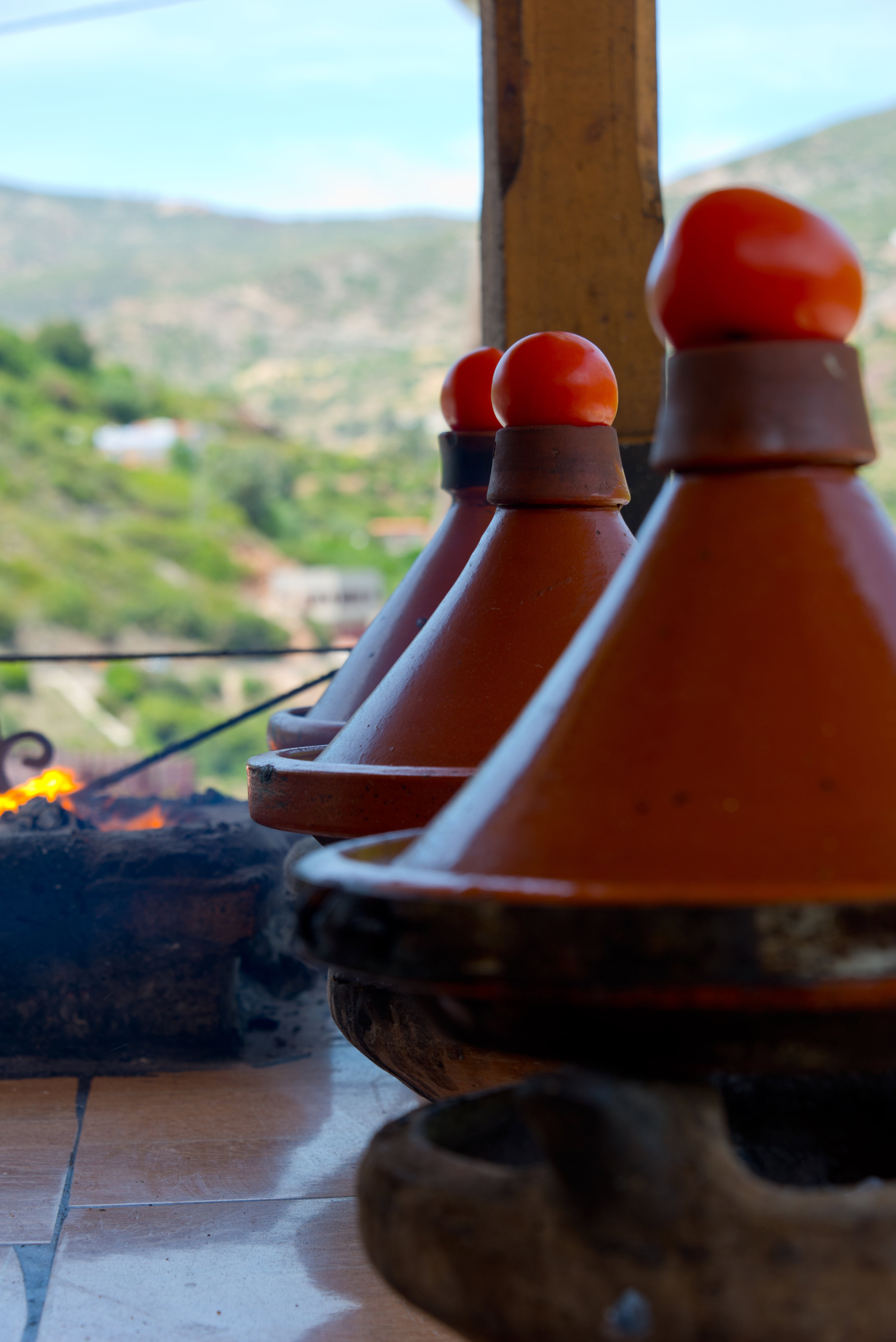
Moroccan Cooking Class Near Agadir: Cook Traditional Amazigh Food With Locals
Discover Moroccan Food, Culture and Hospitality Through a Local Cooking Experience.
Morocco is famous around the world for its food. But the best way to understand Moroccan cuisine is not simply to eat in a restaurant.
It is to cook it yourself with local people.
At AdrarHike, we invite travelers staying in Agadir, Tamraght, Taghazout and the surrounding area to discover Moroccan food through a relaxed and authentic local cooking experience.
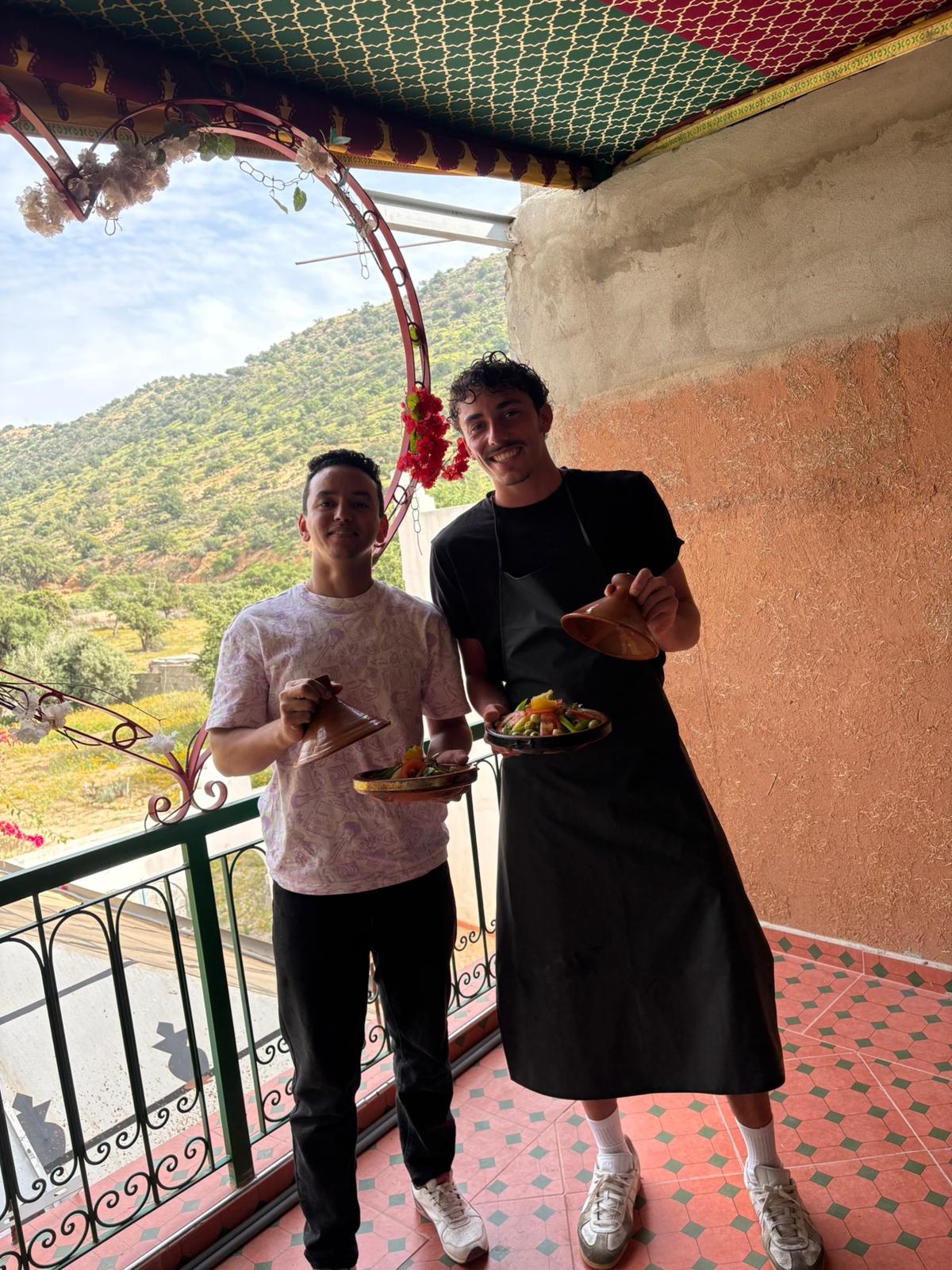
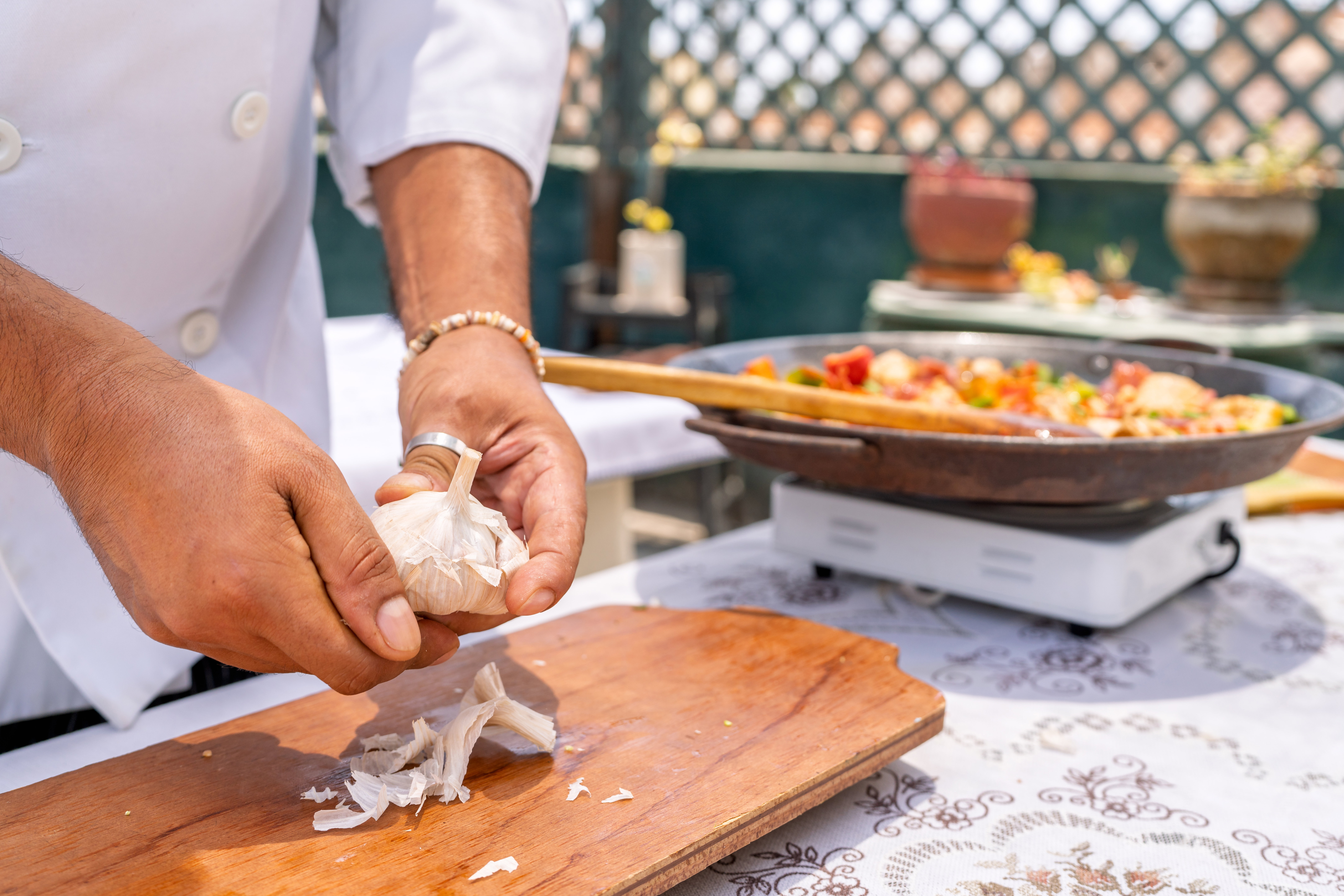
You will step away from the usual tourist restaurants and spend time with local hosts, learn about traditional ingredients and participate in preparing a Moroccan meal.
You will discover how Moroccan families use spices, vegetables, herbs, olive oil and traditional cooking methods to create dishes full of flavor.
And at the end, you don't just watch the food being prepared.
You sit down and enjoy the meal together.
🍲 What Is the AdrarHike Moroccan Cooking Class?
This is a hands-on cooking experience designed for travelers who want to discover Moroccan cuisine from a local perspective.
Rather than taking a formal cooking lesson in a professional kitchen, you will experience Moroccan food in a more personal environment.
You can:
🌿 Discover local ingredients
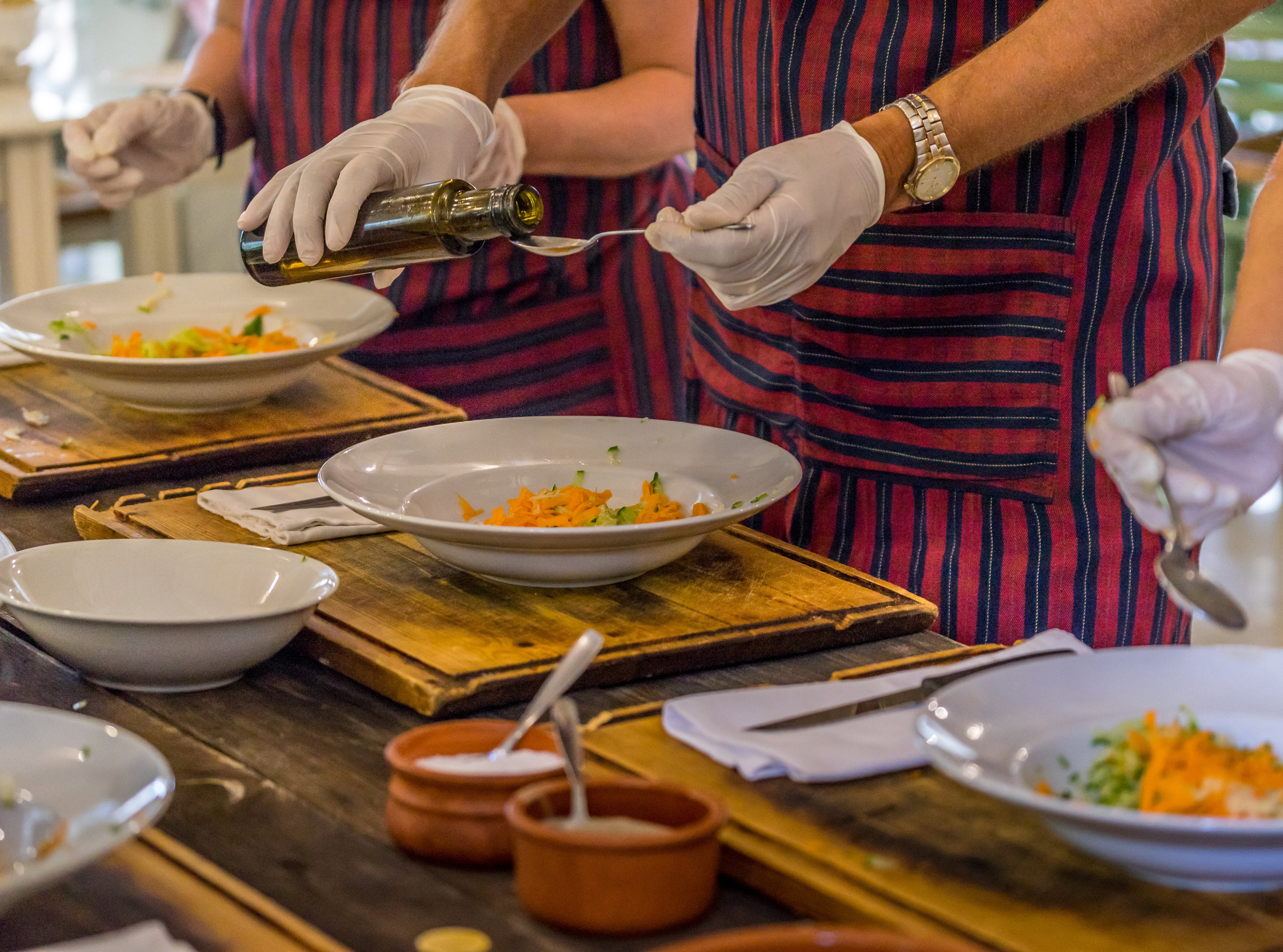
🔪 Prepare fresh vegetables
🧂 Learn about Moroccan spices
🍲 Help prepare a traditional tajine
🥖 Discover Moroccan bread
🍵 Learn about Moroccan mint tea
👨🍳 Cook together with local hosts
🍽️ Sit down and enjoy your meal
The experience is about food, culture, conversation and hospitality.
🇲🇦 Why Moroccan Food Is So Special
Moroccan cuisine has developed through centuries of cultural exchange and local traditions.Its flavors come from a combination of:
- Fresh vegetables
- Herbs
- Spices
- Olive oil
- Preserved ingredients
- Seasonal produce
- Meat or vegetarian ingredients
- Traditional cooking techniques
Moroccan cooking is not only about adding many spices.
It is about creating balance. Sweet, salty, sour and aromatic flavors can all appear in the same meal.
ⵣ Discover Amazigh Cuisine
The Souss-Massa region has a strong Amazigh cultural heritage, and food is an important part of that heritage.
Amazigh communities have developed their cuisine around the ingredients available in their environment.Local dishes often make use of:
🌾 Grains
🫒 Olive oil
🌳 Argan products
🥕 Seasonal vegetables
🌿 Herbs
🍯 Honey
🥖 Bread
Food is traditionally connected to family, hospitality and community.
During your cooking class, your local hosts can explain not only how a dish is prepared, but also something about the traditions behind it.
🍲 Learn to Prepare Moroccan Tajine
One of the most famous Moroccan dishes is tajine.
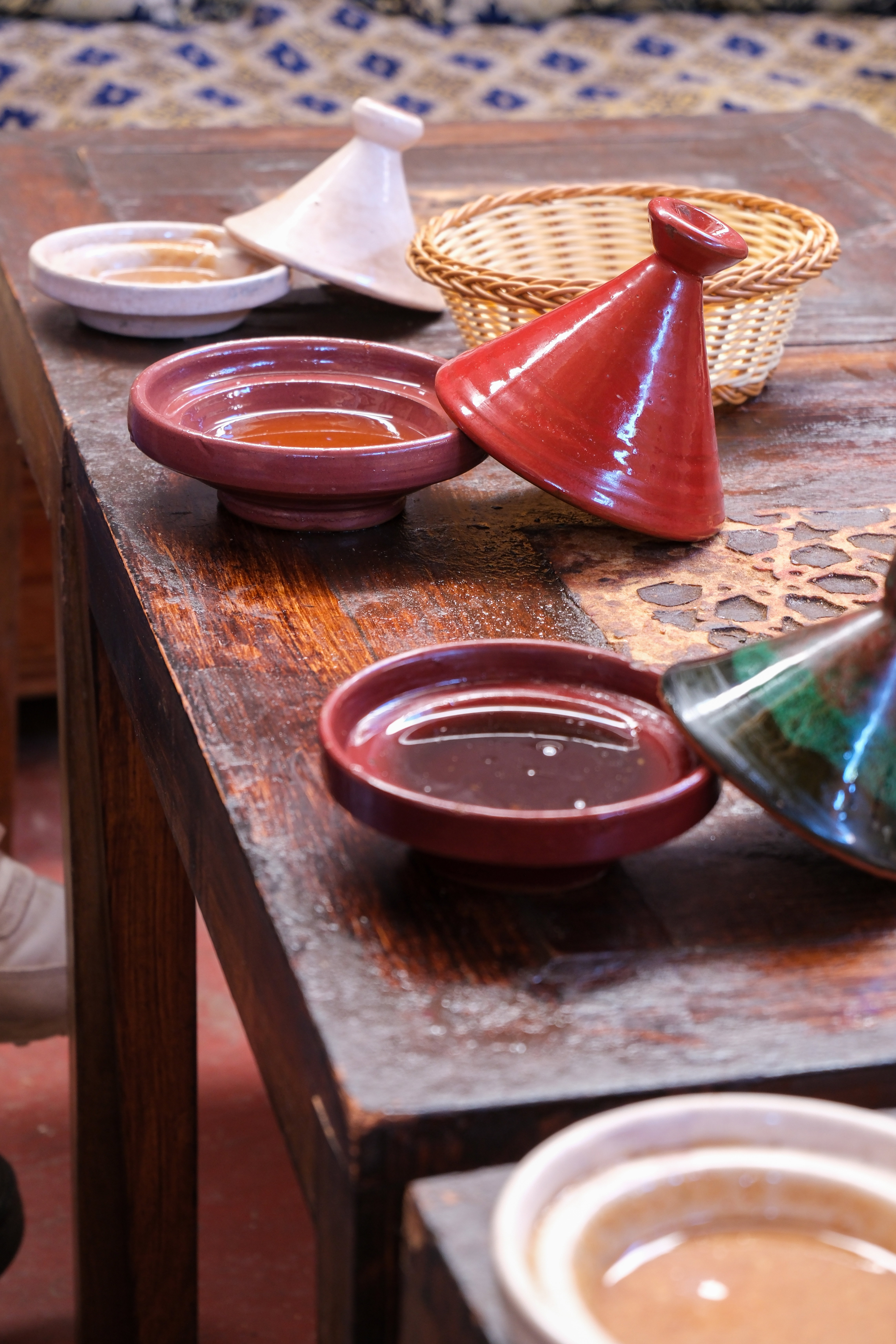
The word refers both to the dish and the traditional earthenware cooking vessel used to prepare it.
A tajine is generally cooked slowly, allowing the ingredients to become tender while the flavors develop.
Depending on the menu and availability, your cooking class may include a traditional Moroccan or Amazigh-style tajine.
Possible ingredients can include:
- Seasonal vegetables
- Onion
- Garlic
- Olive oil
- Herbs
- Moroccan spices
- Chicken
- Meat
- Preserved lemon
- Olives
Vegetarian options can also be prepared.
🥕 Fresh Seasonal Ingredients
One of the best parts of cooking locally is discovering what ingredients are available during your visit.
Moroccan cooking changes with the seasons.
Depending on the time of year, you may find:
🍅 Tomatoes
🥕 Carrots
🥔 Potatoes
🧅 Onions
🫑 Peppers
🍋 Lemons
🫒 Olives
🌿 Fresh herbs
🍊 Seasonal fruits
Your hosts can explain how these ingredients are traditionally used.
🌿 Moroccan Spices
Moroccan cuisine is famous for its aromatic spices.
During the cooking experience, you can discover some of the ingredients commonly used in Moroccan kitchens, such as:
Cumin
Earthy and aromatic, cumin is commonly used in Moroccan dishes.
Paprika
Adds color and a mild pepper flavor.
Turmeric
Known for its golden color and earthy aroma.
Ginger
Adds warmth and depth to many traditional dishes.
Cinnamon
Often associated with sweeter dishes but also used in savory Moroccan cuisine.
Black pepper
A simple but important ingredient in many recipes.
The goal isn't simply to memorize spices.
You learn how they are combined to create Moroccan flavors.
🫒 Olive Oil and Argan Oil
Oil plays an important role in Moroccan cooking.
Olive oil is widely used in everyday Moroccan cuisine.
In the Souss-Massa region, you can also discover the importance of argan oil.
Argan oil comes from the fruit of the argan tree, Argania spinosa, which is characteristic of southwestern Morocco.
There are different traditional uses of argan products, including culinary use.
During the experience, your local hosts can explain the difference between culinary argan oil and cosmetic argan oil and how local communities use the argan tree.
🥖 Moroccan Bread
Bread is an important part of Moroccan meals.
Traditional Moroccan bread can be used to accompany tajine, salads and other dishes.
Instead of relying heavily on cutlery, bread can traditionally be used to take food from the shared dish.
This is part of the social experience of Moroccan dining.
If bread preparation is included in your chosen class, you can learn how the dough is prepared, shaped and cooked.
🍵 Learn About Moroccan Mint Tea
No Moroccan food experience would be complete without tea.
Moroccan mint tea is strongly associated with hospitality and welcoming guests.
The traditional preparation involves green tea, fresh mint and sugar, although recipes and sweetness vary between households.
The tea is prepared and served in a distinctive Moroccan style.
After cooking, sit down, relax and enjoy a glass of fresh mint tea.
This is when the cooking class becomes a social experience.
🌿 Cooking in a Local Garden
One of the special aspects of our experience is the atmosphere.Instead of spending the whole day inside a commercial cooking school, the experience can take place in a local garden or home-style environment.
You can enjoy:
🌱 Green surroundings
☀️ Natural light
🍃 Outdoor atmosphere
🍲 Traditional cooking
🍵 Moroccan tea
😊 Local hospitality
The idea is simple:
Cook, eat, talk and enjoy the moment.
👩🍳 Meet Your Local Host
The cooking experience is hosted by local people who know Moroccan food through everyday life.
Rather than presenting Moroccan cuisine as something complicated, your host will show you how traditional dishes are prepared in a practical and friendly way.
You can ask questions.
You can participate.
You can make mistakes.
You can laugh.
And you can learn.
That's part of the experience.
🍽️ From Kitchen to Table
After preparing the food, the best part begins.
Everyone sits together and enjoys the meal.
The food you helped prepare is served fresh.
Depending on the menu, your meal may include:
🍲 Moroccan tajine
🥗 Moroccan salads
🥖 Fresh bread
🫒 Olives
🍋 Seasonal ingredients
🍵 Moroccan mint tea
🍊 Seasonal fruit
The exact menu can vary according to the season and the cooking experience selected.
❤️ Moroccan Hospitality
Moroccan hospitality is an important part of the experience.
Food is traditionally connected with welcoming guests and sharing time together.
A meal is not simply something you eat quickly.
It can be an opportunity to sit together, talk and enjoy each other's company.
For travelers, this creates something that a normal restaurant visit cannot always provide:
A connection with local people.
🌍 A Different Way to Discover Agadir
Many visitors come to Agadir for the beach.
Others discover Taghazout for surfing.
Some explore Paradise Valley and the mountains.
But food provides another way to understand the region.
Through a cooking class, you can discover:
Moroccan culture through food.
You don't need to be an experienced cook.
You don't need to know Moroccan cuisine.
You simply need to be curious and ready to participate.
👨👩👧 Is the Cooking Class Suitable for Families?
Yes.
Cooking can be a fun activity for families because everyone can participate according to their age and ability.
Children can help with simple tasks under adult supervision, while adults can learn more about the ingredients and cooking process.
Families can then enjoy the meal together.
🥗 Vegetarian and Dietary Options
If you have dietary restrictions or preferences, please tell us before booking.
Vegetarian dishes can often be prepared.
Other dietary requirements may also be possible depending on the menu and available ingredients.
Because this is a local cooking experience, advance communication is important.
📸 A Great Experience for Food Lovers and Content Creators
If you enjoy photography, Instagram or creating travel videos, a Moroccan cooking class offers plenty of visual moments.You can photograph:
🌿 Fresh ingredients
🌶️ Moroccan spices
🍲 Tajine cooking
🥖 Bread preparation
🍵 Tea preparation
🏡 The local environment
🍽️ The finished mealYou can also create your own story of the experience from preparing the ingredients to sitting down for lunch.
🧺 What Should You Bring?
You don't need much.We recommend bringing:
- Comfortable clothes
- Comfortable shoes
- Water
- Camera or phone
- Appetite 😊
The most important thing is to come ready to participate.
📍 Where Is the Cooking Experience?
The experience is available in the Agadir / Tamraght area, depending on the specific activity and local arrangements.
The exact meeting point and directions will be provided after booking.
If you are staying in Agadir, Tamraght or Taghazout, contact us with your location and we can explain the best meeting arrangement.
🕐 How Long Does the Experience Take?
The duration depends on the selected cooking experience, menu and activities included.A typical experience includes:
Welcome → Introduction → Ingredients → Cooking → Tea → Lunch → Conversation
We don't want you to feel rushed.
The idea is to enjoy the experience at a relaxed pace.
🌱 Responsible Local Tourism
At AdrarHike, we want our experiences to benefit both visitors and local communities.
By choosing a local cooking experience, you help support local hosts and traditional food practices.
We encourage guests to:
- Respect the local environment
- Avoid unnecessary food waste
- Respect the home or garden
- Ask before photographing people
- Be curious about local traditions
- Support local products when possible
❓ Frequently Asked Questions
Do I need cooking experience?
No. Beginners are welcome.
Will I eat the food we prepare?
Yes. The meal is part of the experience.
Can I join alone?
Yes, depending on availability.
Can couples join?
Absolutely.
Is it suitable for children?
Yes, with adult supervision.
Can I have vegetarian food?
Vegetarian options can be arranged when requested in advance.
Is Moroccan tea included?
Moroccan mint tea can be included depending on the selected experience.
What dish will we cook?
The menu depends on the experience, season and available ingredients. A traditional Moroccan/Amazigh-style tajine is one of the possible highlights.
Where does the cooking take place?
Depending on the experience, it takes place in a local home or garden environment in the Agadir/Tamraght area.
🍲 More Than a Cooking Class
You may arrive thinking you are coming to learn how to cook tajine.
But you will leave with more than a recipe.
You will have:
Cooked with locals.
Discovered Moroccan ingredients.
Learned about Amazigh food traditions.
Shared Moroccan tea.
Enjoyed a traditional meal.
And experienced Moroccan hospitality.
That's what makes this experience special.
🟢 Ready to Cook Moroccan Food With Locals?
Traditional Moroccan & Amazigh Cooking Experience
Join AdrarHike for a relaxed local cooking experience near Agadir.
Learn about Moroccan ingredients, prepare a traditional meal with local hosts, discover Amazigh food traditions and sit down together to enjoy the food you helped prepare.
👉 Book Your Cooking Class on WhatsApp
🟢 BOOK YOUR MOROCCAN COOKING CLASS
🌴 Discover More With AdrarHike
🏔️ Paradise Valley
Explore mountain landscapes, natural pools, palm trees and hiking trails near Agadir.
🌿 Tizgui Valley
Discover a quieter mountain valley near Paradise Valley and experience the natural landscape of Ida Ou Tanane.
💦 Imouzzer Waterfalls
Explore mountain landscapes, seasonal waterfalls, Amazigh villages and local traditions.
🏔️ El Gouz Summit
Challenge yourself with a mountain hike and enjoy panoramic views towards the Atlantic.
🏜️ Timlaline Dunes
Experience sandboarding among the spectacular coastal dunes.
🐎 Horse Riding in Tamraght
Discover the coastal and mountain landscapes on horseback.
🏄 Surfing in Taghazout
Enjoy the famous Atlantic surf coast and experience Moroccan surf culture.
AdrarHike
Explore Locally. Discover Naturally.
Come as a traveler. Leave with a taste of Morocco.